
Overview
what it is and why it matters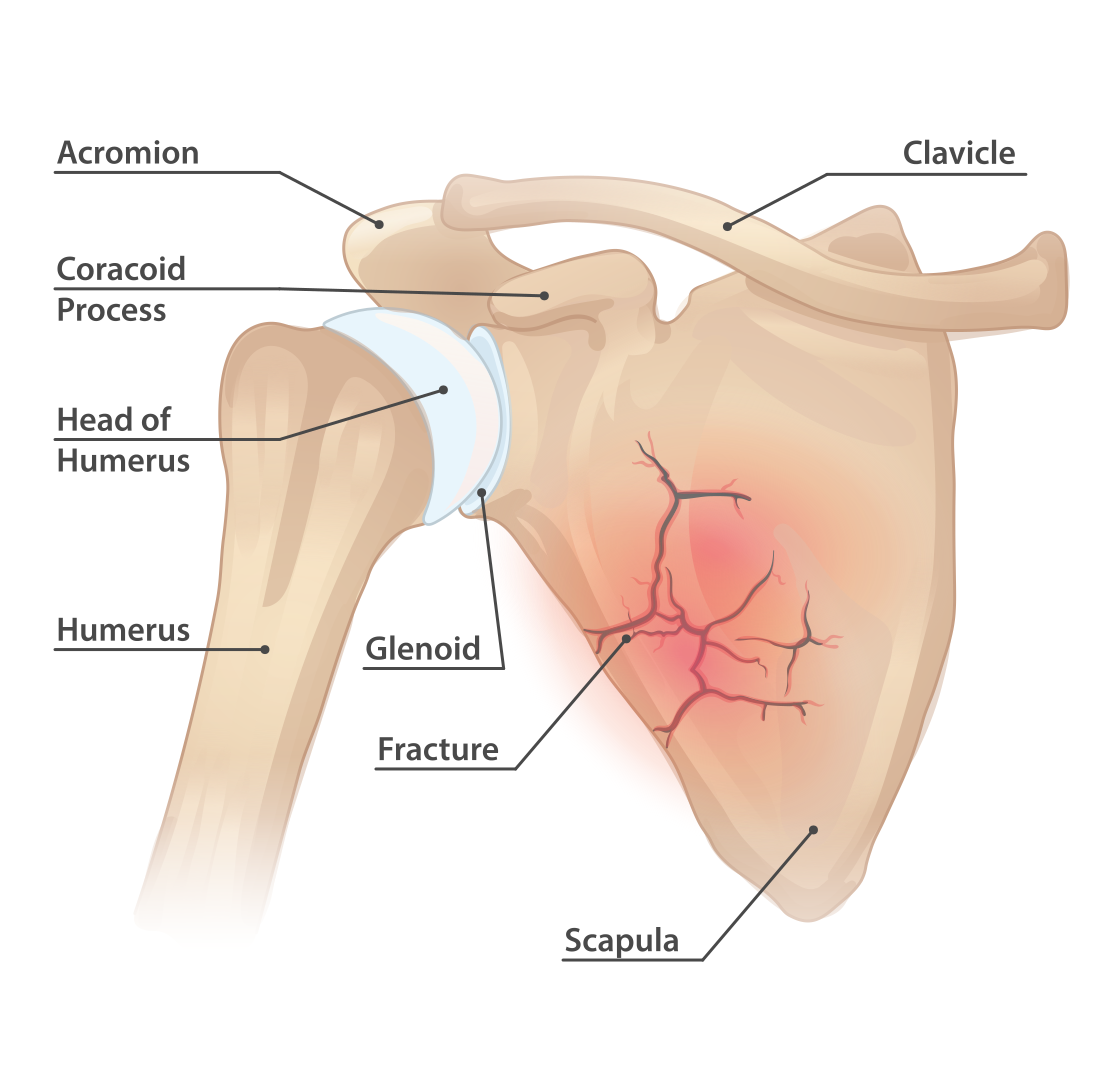
The scapula is protected by its deep position, surrounding musculature, and mobility. Because it takes significant force to fracture, scapula fractures are closely associated with serious concomitant injuries — pulmonary contusion, pneumothorax, rib fractures, brachial plexus injury, and vascular injury. Fractures involving the glenoid articular surface (intra-articular) require more careful evaluation for surgical repair than extra-articular body fractures.
Diagnosis
exam first, imaging secondPosterior shoulder pain after high-energy trauma, tenderness over the shoulder blade, limited shoulder motion. Plain X-rays identify most fractures. CT scan is mandatory for intra-articular glenoid fractures and to characterize displacement for surgical planning. Associated injuries must be identified and treated.
Treatment Path
how care progresses at OSI1
Sling and early motion
The vast majority of scapula fractures — including most body, spine, and coracoid fractures — heal reliably with symptomatic treatment and early pendulum exercises.
Surgical Options at OSI
if non-operative care isn't enoughIntra-articular glenoid fractures with > 5 mm step-off and > 25% surface involvement, and certain scapular neck fractures with significant malalignment, are considered for ORIF.
Providers Who Treat Scapula Fracture
sports-medicine team

David B. Templin, M.D.

Trent Twitero, M.D.
Further Reading
authoritative sourcesExternal patient-education references and related OSI pages for additional background: