
Overview
what it is and why it matters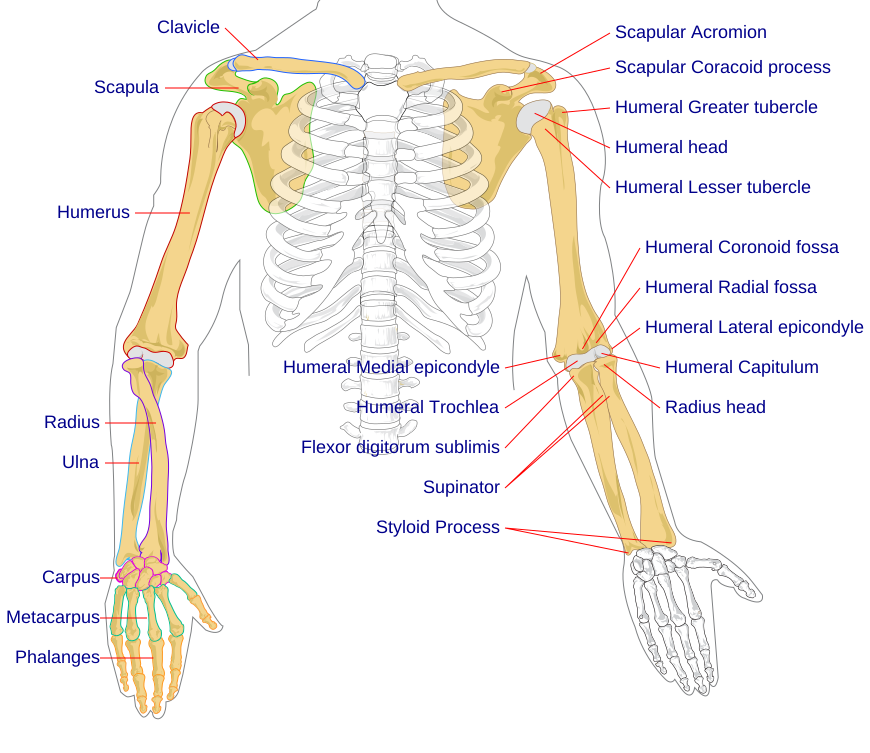
The olecranon bursa sits directly over the tip of the elbow. It can become inflamed from repetitive pressure (resting the elbow on a hard surface), direct trauma, gout, pseudogout, rheumatoid arthritis, or infection (septic bursitis). It presents as a visible, fluctuant swelling over the olecranon — often painless unless infected or inflamed. Septic olecranon bursitis is a distinct condition requiring antibiotic treatment.
Diagnosis
exam first, imaging secondVisible soft swelling at the tip of the elbow. Elbow range of motion is usually preserved since the bursa is external to the joint. Aspiration with fluid cell count, crystal analysis, and culture distinguishes septic from non-septic bursitis. Gout crystals (urate) confirm crystalline bursitis.
Treatment Path
how care progresses at OSI1
Padding and activity modification
Elbow protection pads and avoiding direct elbow pressure.
2
Aspiration
Removing bursal fluid provides diagnostic information and relief; recurrence is common without treating the underlying cause.
3
NSAIDs
For inflammatory (non-septic) bursitis.
Corticosteroid injection
After aspiration for non-septic, non-crystalline cases.
Antibiotics
For septic bursitis — IV or oral depending on severity and organism.
Surgical Options at OSI
if non-operative care isn't enoughSeptic bursitis unresponsive to antibiotics and aspiration, or chronic recurrent bursitis despite multiple aspirations and injections, is treated with surgical bursectomy.
Providers Who Treat Olecranon Bursitis
sports-medicine team

David B. Templin, M.D.

Trent Twitero, M.D.
Further Reading
authoritative sourcesExternal patient-education references and related OSI pages for additional background: