
Overview
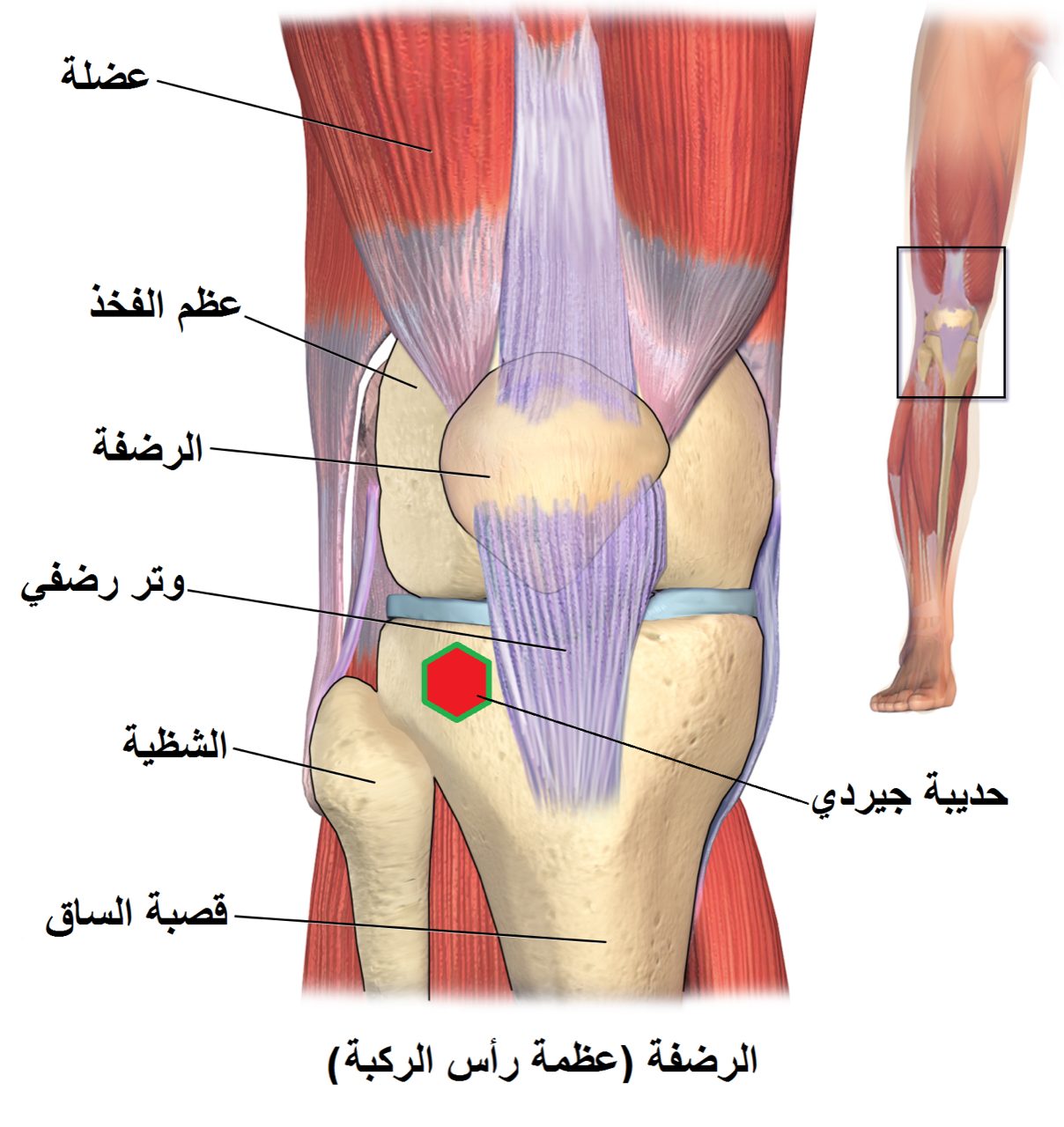
The posterior cruciate ligament is the stronger of the two cruciates and prevents the tibia from sliding backward beneath the femur. Isolated PCL tears often heal enough with bracing and rehab that surgery is unnecessary — but complete tears with persistent instability, and combined injuries involving the PCL, typically require reconstruction to restore normal mechanics.
How the Procedure Works
PCL reconstruction is more technically demanding than ACL reconstruction largely because of the tibial tunnel. The tunnel must exit at the posterior tibia, near the popliteal vessels — so drill direction and depth require precise planning and fluoroscopic confirmation. We pass the graft through the tibial tunnel and anchor it at the anatomic femoral footprint, which sits on the anteromedial wall of the intercondylar notch. Graft tensioning is done with the knee near full extension and a posterior-directed force on the tibia to reduce the posterior sag; tensioning in flexion risks over-constraining the knee. In combined ligament injuries — which are common with PCL tears — the order of reconstruction matters: restoring the PCL first provides a stable reference point for subsequent collateral or posterolateral corner reconstruction.
When to Consider PCL Reconstruction
PCL reconstruction is generally offered when symptoms, imaging, and a trial of non-operative care together point to surgery as the next step. The typical picture includes:
High-grade PCL tear with instability
A complete tear producing functional instability — a knee that feels loose or gives way on stairs and declines.
Multi-ligament knee injury
A PCL tear combined with ACL, MCL, or posterolateral corner injury, where reconstruction is part of a larger repair strategy.
Symptoms despite rehab
Patients who have completed a supervised rehabilitation program and still have instability or pain.
Conditions This Treats
Physicians Who Perform PCL Reconstruction
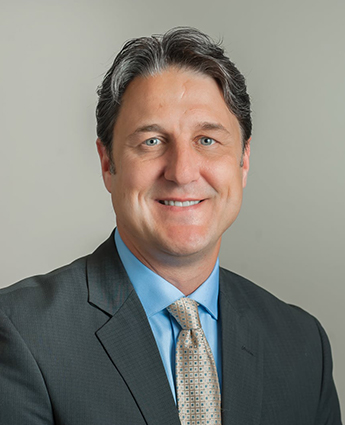

David B. Templin, M.D.
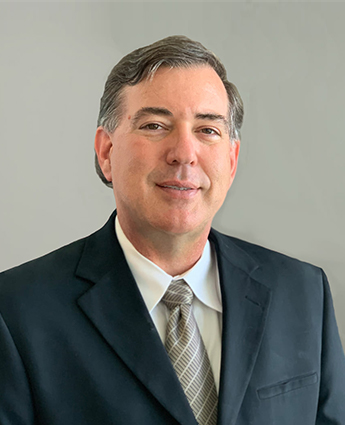
Trent Twitero, M.D.
Providers Who Surgically Assist with PCL Reconstruction

Sydney Georg, PA-C

Ben Swanner, PA-C
Further Reading
External patient-education references and related OSI pages for additional background: