
Overview
what it is and why it matters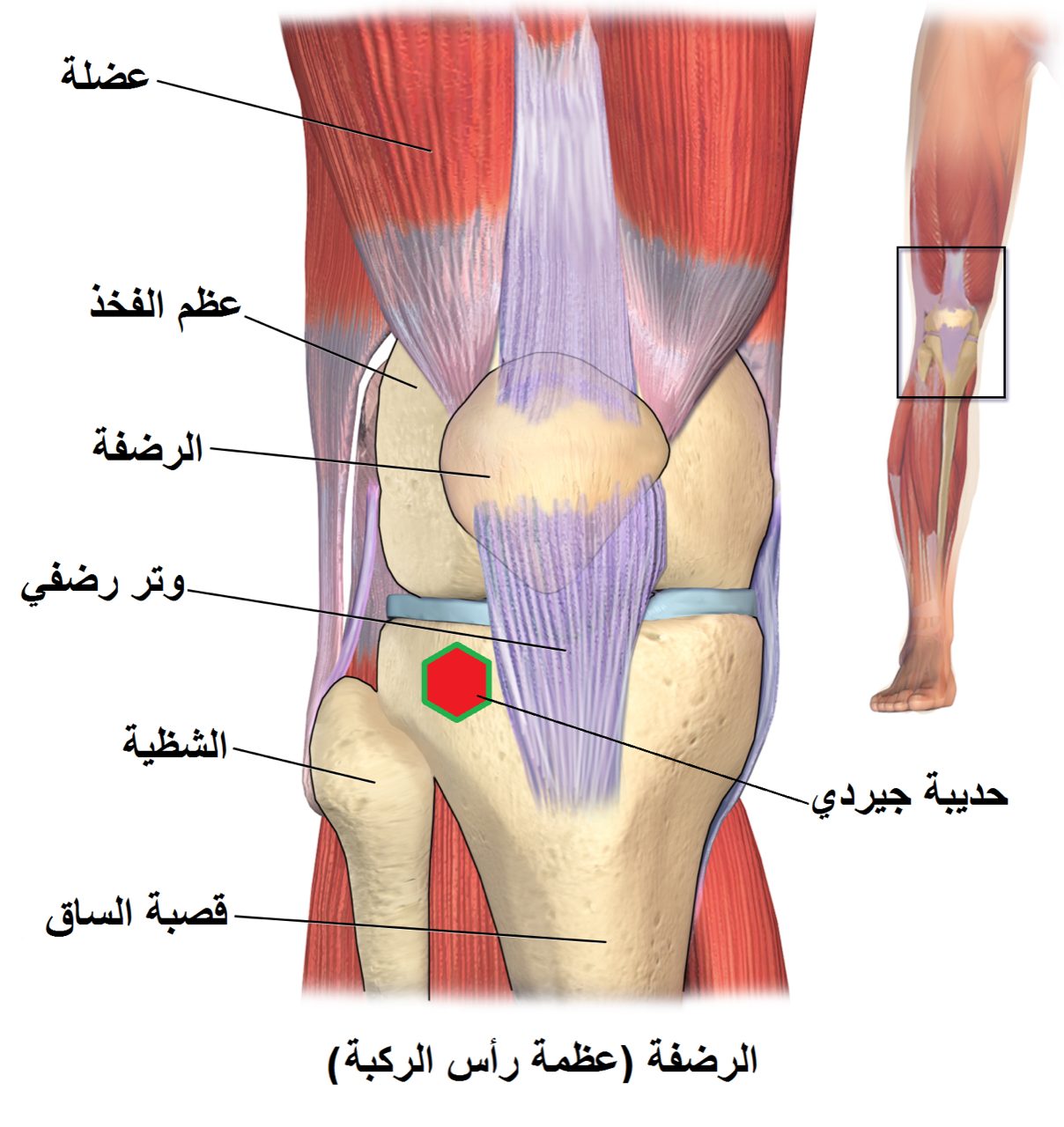
Patellofemoral pain syndrome (PFPS) — "runner's knee" — is diffuse anterior knee pain originating from the interface between the patella (kneecap) and the trochlear groove of the femur. It is among the most common knee conditions seen in active adolescents and young adults. When the patella tracks abnormally in the groove — due to muscle imbalances, hip weakness, or structural anatomy — excessive pressure on the cartilage causes pain.
Pain is characteristically worse with stairs, prolonged sitting (the "movie sign"), squatting, and running. It is not a single diagnosis but a symptom complex with multiple contributing factors.
Diagnosis
exam first, imaging secondPeripatellar or retropatellar pain, positive Clarke's sign (pain with patellar compression against the trochlear groove), and pain during a single-leg squat. Assessment of hip abductor strength and foot pronation is important for identifying contributing factors. MRI is obtained when cartilage damage (chondromalacia patella) or structural pathology is suspected.
Treatment Path
how care progresses at OSI1
Hip and quadriceps strengthening
Strengthening the hip abductors, external rotators, and VMO (inner quadriceps) is the most effective treatment — corrects the biomechanical drivers of poor patellar tracking.
2
Activity modification
Reducing hill running, stair climbing, and deep squatting during the acute phase.
3
Foot orthotics
Controlling overpronation reduces medial knee collapse and patellar maltracking.
Patellar taping / bracing
McConnell taping or a patellar tracking brace provides symptom relief and biofeedback during rehabilitation.
NSAIDs
Acute symptom control.
Surgical Options at OSI
if non-operative care isn't enoughSurgery is rarely indicated for PFPS. When significant chondromalacia or structural malalignment (trochlear dysplasia, high TT-TG distance) is identified and symptoms persist after comprehensive conservative care, procedures to address the underlying anatomy are considered.
Providers Who Treat Patellofemoral Pain
sports-medicine team

David B. Templin, M.D.

Trent Twitero, M.D.
Further Reading
authoritative sourcesExternal patient-education references and related OSI pages for additional background: