
Overview
what it is and why it matters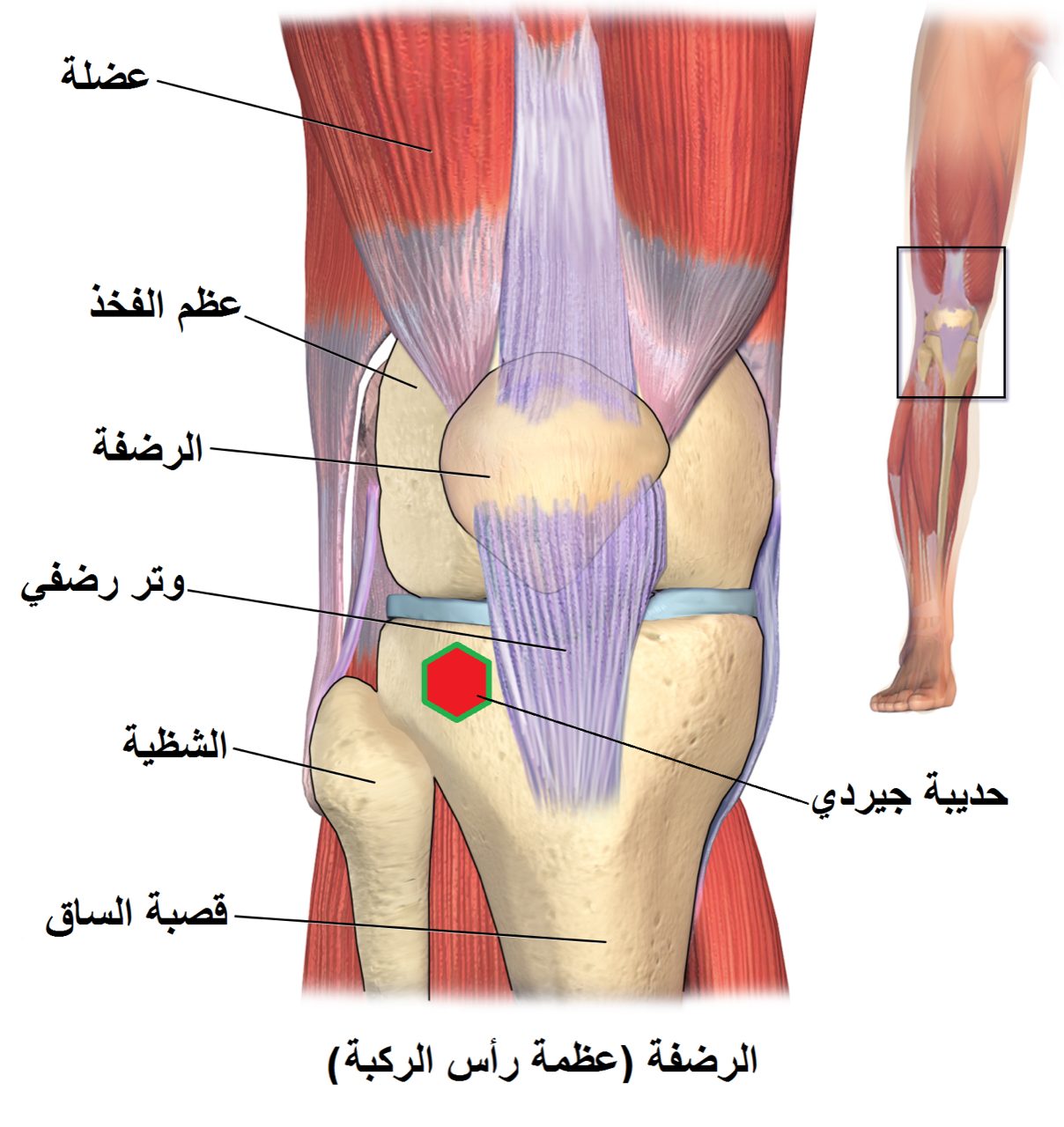
The prepatellar bursa sits directly over the kneecap between the skin and the patella. It can become swollen and painful from repetitive kneeling (plumber's knee, carpet layer's knee), a direct blow, gout, or infection. Septic (infected) prepatellar bursitis is a distinct condition requiring urgent treatment.
Diagnosis
exam first, imaging secondVisible, fluctuant swelling directly over the kneecap — the swelling is anterior to the joint, not inside it, so range of motion is typically preserved. Aspiration of the bursa (with fluid analysis for cell count, crystals, and culture) distinguishes septic from non-septic bursitis. MRI differentiates bursitis from other anterior knee pathology.
Treatment Path
how care progresses at OSI1
Activity modification & padding
Avoiding kneeling and using knee pads prevents recurrence.
2
Aspiration
Removing the bursal fluid provides diagnostic information and immediate relief.
3
NSAIDs
Address non-septic inflammatory bursitis.
Corticosteroid injection
Injection after aspiration for non-septic, non-crystalline bursitis reduces recurrence.
Antibiotics
IV or oral antibiotics for septic bursitis; surgical drainage if it does not respond.
Surgical Options at OSI
if non-operative care isn't enoughSeptic bursitis not responding to aspiration and antibiotics, or chronic recurrent bursitis after multiple aspirations, may require surgical bursectomy.
Providers Who Treat Prepatellar Bursitis
sports-medicine team

David B. Templin, M.D.

Trent Twitero, M.D.
Further Reading
authoritative sourcesExternal patient-education references and related OSI pages for additional background: