
Overview
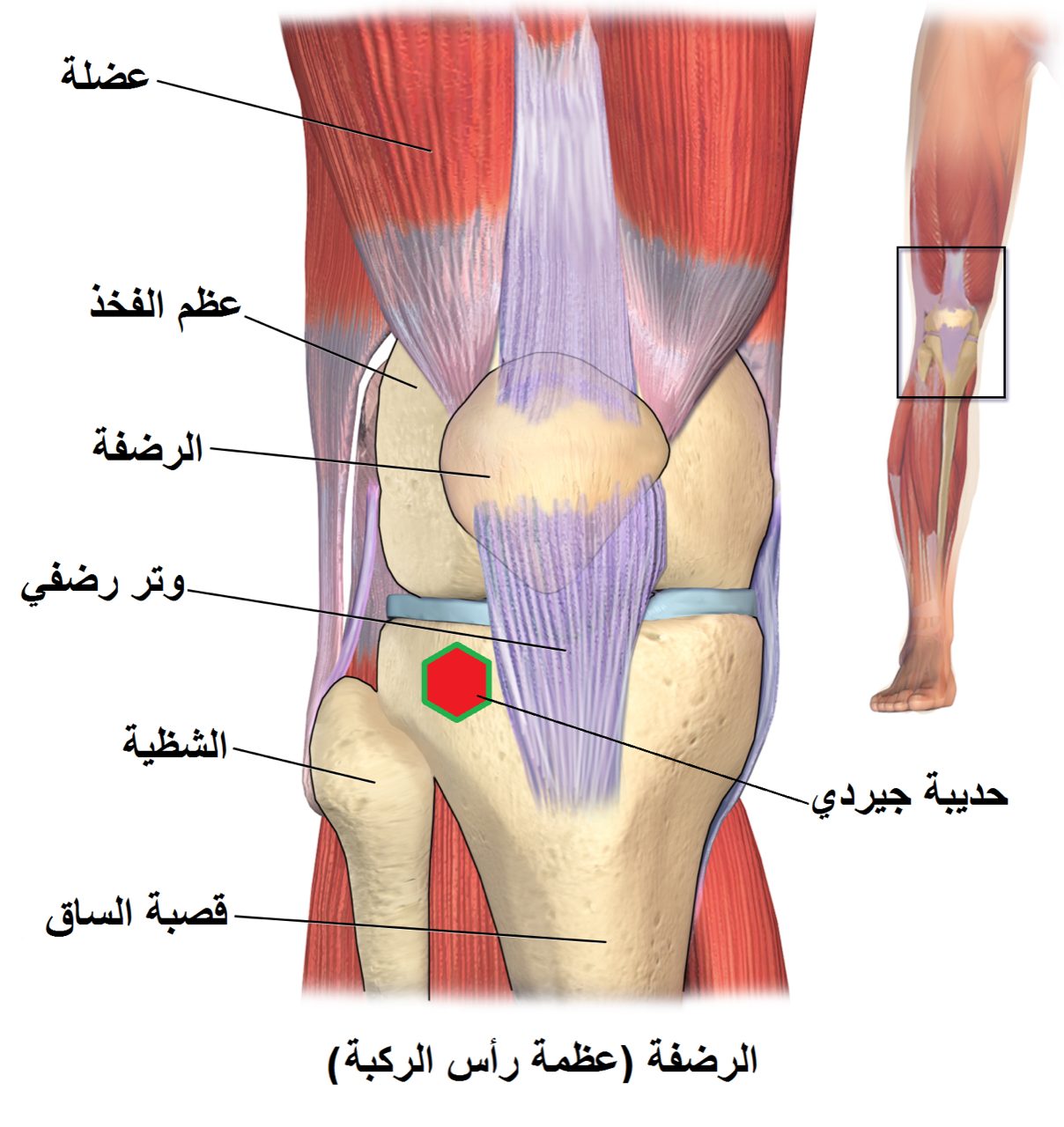
The medial patellofemoral ligament is the primary checkrein preventing the kneecap from sliding laterally. After a first-time or recurrent patellar dislocation, the MPFL is almost always torn. Without reconstruction, the patella often re-dislocates — especially in patients with underlying anatomic predisposition like trochlear dysplasia or elevated tibial-tubercle-to-trochlear-groove distance.
How the Procedure Works
The femoral attachment point is the most technique-sensitive part of this operation. The isometric point — where the MPFL naturally originates — sits just anterior and proximal to the medial epicondyle, and a tunnel placed even a centimeter off that landmark changes graft tension dramatically through the range of motion. We use fluoroscopic landmarks and probe the tunnel position with a trial graft before committing: the graft should show less than 3–4 mm of tension change from full extension to 90° of flexion. The graft is then passed to the medial patella and anchored at two points along its medial border to distribute load. Final tension is set at 30° of flexion with the patella reduced in the trochlea — not too tight, which restricts flexion and risks medial dislocation, not too loose, which allows lateral instability. When tibial tubercle malalignment or trochlear dysplasia is present, MPFL reconstruction alone is insufficient and a bony procedure is added.
When to Consider MPFL Reconstruction
MPFL reconstruction is generally offered when symptoms, imaging, and a trial of non-operative care together point to surgery as the next step. The typical picture includes:
Recurrent patellar dislocation
Two or more episodes of the kneecap dislocating, confirming a structural problem that won't resolve with rehab alone.
First dislocation with osteochondral injury
A loose cartilage fragment requires surgical management; MPFL reconstruction is often performed simultaneously.
Persistent instability symptoms
Episodes of the kneecap slipping or giving way that interfere with daily activity or sport.
Conditions This Treats
Physicians Who Perform MPFL Reconstruction

David B. Templin, M.D.

Trent Twitero, M.D.
Providers Who Surgically Assist with MPFL Reconstruction

Sydney Georg, PA-C

Ben Swanner, PA-C
Further Reading
External patient-education references and related OSI pages for additional background: