
Overview
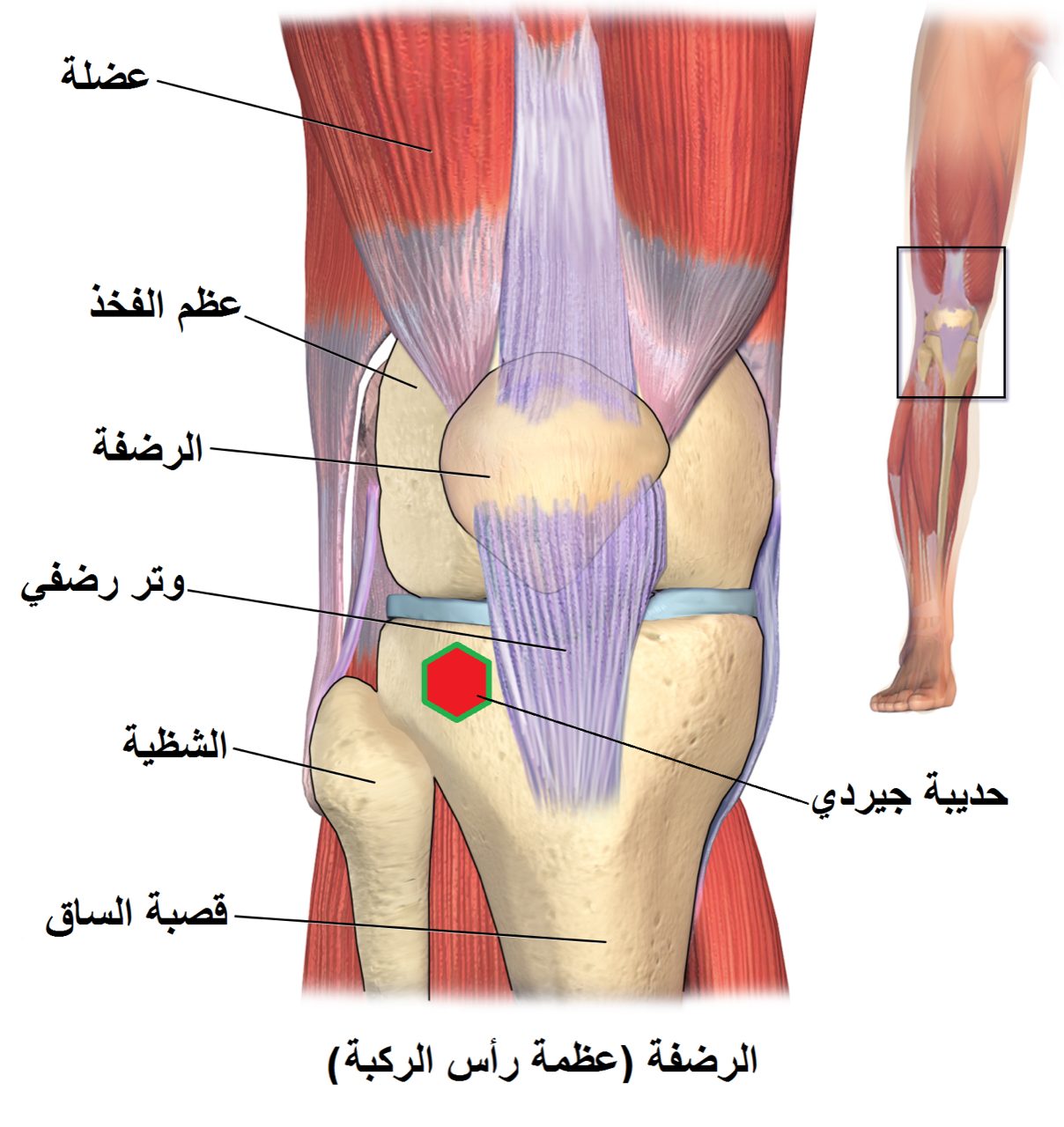
The meniscus is tethered to the tibia at its front and back attachments — its roots. When a root detaches, the meniscus is functionally uncapped and extrudes out of the joint, no longer distributing load across the cartilage. Untreated, this accelerates arthritis as quickly as a total meniscectomy would.
How the Procedure Works
We pass two heavy sutures through the meniscus root using a cinch-stitch configuration, then drill a transtibial tunnel aimed precisely at the anatomic root footprint — for the posterior medial root, that's just anterior and medial to the PCL tibial attachment. Tunnel position is the most technique-sensitive step: a tunnel placed even a few millimeters off-footprint changes the meniscus's resting position and undermines the repair's ability to restore hoop stress. The sutures are pulled through the tunnel and tied over a cortical button on the anterior tibia with the knee near full extension. Before closure we probe the meniscus to confirm it sits back in the joint rather than extruding, and we check that it moves with tibial rotation the way an intact meniscus should. Concurrent varus malalignment is addressed at the same time when present — a medial root repair in a varus knee without osteotomy is protected incompletely.
When to Consider Meniscus Root Repair
Meniscus root repair is generally offered when symptoms, imaging, and a trial of non-operative care together point to surgery as the next step. The typical picture includes:
Acute medial root tear
Especially common in middle-aged patients after a deep squat or minor injury, presenting as sudden medial knee pain.
Active patients without end-stage arthritis
Best outcomes occur before the underlying cartilage has worn through.
Preserved alignment
A neutral or correctable axis that won't overload the repaired meniscus.
Conditions This Treats
Physicians Who Perform Meniscus Root Repair


David B. Templin, M.D.

Trent Twitero, M.D.
Providers Who Surgically Assist with Meniscus Root Repair

Sydney Georg, PA-C

Ben Swanner, PA-C
Further Reading
External patient-education references and related OSI pages for additional background: