
Overview
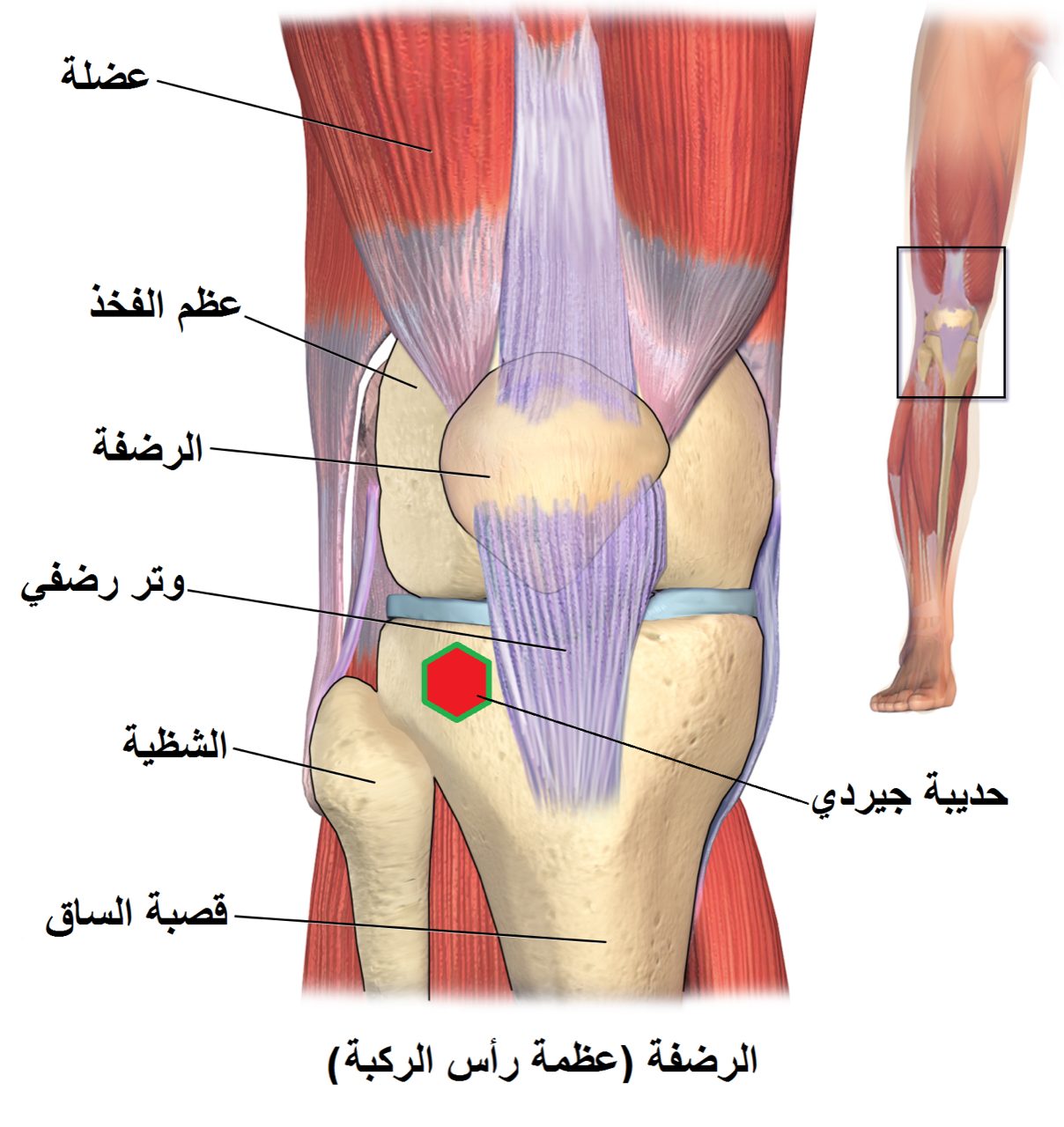
The patellar tendon connects the kneecap to the tibia and carries every ounce of force the quadriceps produces. A complete rupture — typically from a sudden eccentric load during a missed step or a jump landing — breaks the extensor mechanism, and the patient cannot actively extend the knee. Early repair restores continuity before the tendon retracts and scars.
How the Procedure Works
We expose the tear through a midline incision and pass heavy locking sutures through the torn tendon end, then drill two or three bone tunnels through the patella from inferior to superior pole. The sutures are pulled through and tied over the superior patella, drawing the tendon back to its insertion. The critical intraoperative check is patellar height: we compare the repaired side to the contralateral knee on a lateral fluoroscopic view and adjust tension so the patella sits at its normal position — too distal (patella baja) limits flexion postoperatively, too proximal means the repair is loose and extensor lag will persist. A cerclage augmentation suture from the patella to the tibial tubercle protects the repair during early healing in attenuated tissue. Repair within the first week or two, before retraction becomes fixed, produces the best outcomes.
When to Consider Patellar Tendon Repair
Patellar tendon repair is generally offered when symptoms, imaging, and a trial of non-operative care together point to surgery as the next step. The typical picture includes:
Acute patellar tendon rupture
Sudden inability to extend the knee, with a palpable gap below the kneecap and a high-riding patella on X-ray.
Chronic rupture with functional loss
An older rupture that was not repaired initially and leaves the patient with persistent extensor lag.
Conditions This Treats
Physicians Who Perform Patellar Tendon Repair


David B. Templin, M.D.

Trent Twitero, M.D.
Providers Who Surgically Assist with Patellar Tendon Repair

Sydney Georg, PA-C

Ben Swanner, PA-C
Further Reading
External patient-education references and related OSI pages for additional background: