
Overview
what it is and why it matters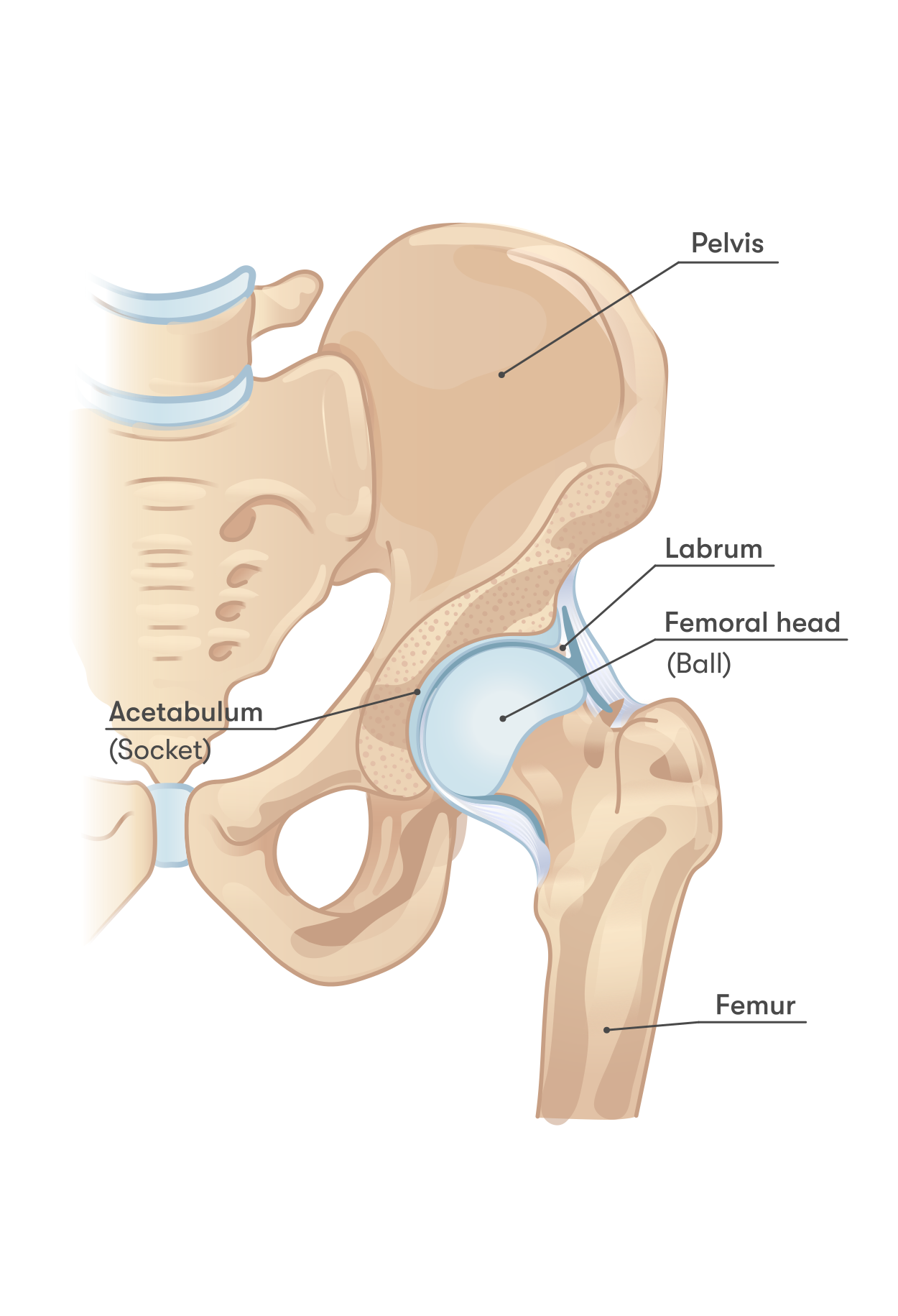
Femoroacetabular impingement (FAI) occurs when abnormal bone growth on the femoral head (cam type), the acetabular rim (pincer type), or both causes the hip to jam during movement rather than gliding smoothly. The repeated abnormal contact tears the labrum — the fibrocartilage seal around the socket — and eventually damages the underlying articular cartilage.
FAI is among the most common causes of hip pain in active adults between the 20s and 40s. The bony anatomy is often developmental; pain develops when increased demand irritates the tissue. Left untreated, progressive labral and cartilage damage can accelerate hip arthritis.
When to be seen
Deep groin pain with hip flexion activities, prolonged sitting, or getting in and out of a car — especially in an active adult — warrants evaluation for FAI.
Diagnosis
exam first, imaging secondFAI typically causes deep groin pain, sometimes described as a C-shaped ache gripped around the front of the hip. The FADIR test (flexion, adduction, internal rotation) is the most sensitive provocative maneuver on examination. Weight-bearing X-rays identify cam bumps or over-coverage. MR arthrography (MRI with intra-articular contrast) is the gold-standard study to evaluate the labrum and articular cartilage.
Treatment Path
how care progresses at OSI1
Activity modification
Reducing deep hip-flexion activities and high-impact loading decreases impingement forces and calms inflammation.
2
Physical therapy
Targeted strengthening of the hip rotators and core, along with movement retraining, reduces impingement and improves pain.
3
NSAIDs
Oral anti-inflammatories address the pain-inflammation cycle around the joint.
Intra-articular injection
Fluoroscopic or ultrasound-guided cortisone into the hip joint provides months of relief and can confirm the hip as the pain source before surgical planning.
Surgical Options at OSI
if non-operative care isn't enoughSurgery is considered when a labral tear is confirmed on MRI, pain has not improved after 3–6 months of conservative care, and the patient wants to return to activities that are limited by the hip.
Providers Who Treat Femoroacetabular Impingement (fai)
sports-medicine team

David B. Templin, M.D.

Trent Twitero, M.D.
Further Reading
authoritative sourcesExternal patient-education references and related OSI pages for additional background: