
Overview
what it is and why it matters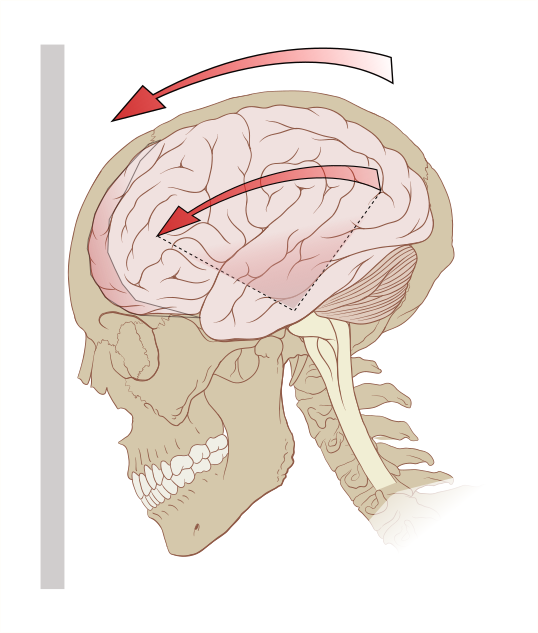
A sports concussion is a traumatic brain injury (TBI) induced by biomechanical forces — either a direct blow to the head, face, or neck, or an impulsive force transmitted to the head. It causes neurologic functional impairment (symptoms) without necessarily causing structural brain damage visible on imaging. Concussions account for 1.6–3.8 million sports injuries annually in the U.S.
Common symptoms include headache, pressure in the head, nausea, dizziness, balance problems, visual disturbance, fogginess, difficulty concentrating, and emotional changes. Symptoms typically resolve within days to weeks in most athletes.
No athlete should return to play the same day they sustain a suspected concussion. A graduated return-to-sport protocol, medically supervised, is required before full participation.
Diagnosis
exam first, imaging secondStandardized sideline assessment tools: SCAT6 (Sports Concussion Assessment Tool), ImPACT (computerized baseline neurocognitive testing), VOMS (Vestibular/Ocular Motor Screening). CT is not needed for typical concussion — it is ordered to exclude hemorrhage or structural injury when red flags are present (severe headache, repeated vomiting, focal neurologic deficit, seizure, or worsening mental status). MRI with advanced sequences (DTI, fMRI) is a research tool; not standard clinical use.
Treatment Path
how care progresses at OSICognitive and physical rest
Brief period of rest (24–48 hours) followed by gradual return to activity — prolonged rest beyond 48 hours is not beneficial.
Symptom management
Acetaminophen for headache (NSAIDs initially avoided due to bleeding risk); melatonin for sleep disturbance.
Multidisciplinary rehabilitation
For persistent symptoms (post-concussion syndrome >4 weeks): vestibular physical therapy, vision therapy, cognitive behavioral therapy, and supervised aerobic exercise.
Return-to-sport protocol
Step-wise graduated return to sport (no activity → light aerobic → sport-specific → non-contact drills → full-contact practice → competition). Each step requires 24 hours symptom-free before progression.
Further Reading
authoritative sourcesExternal patient-education references and related OSI pages for additional background: