
Overview
what it is and why it matters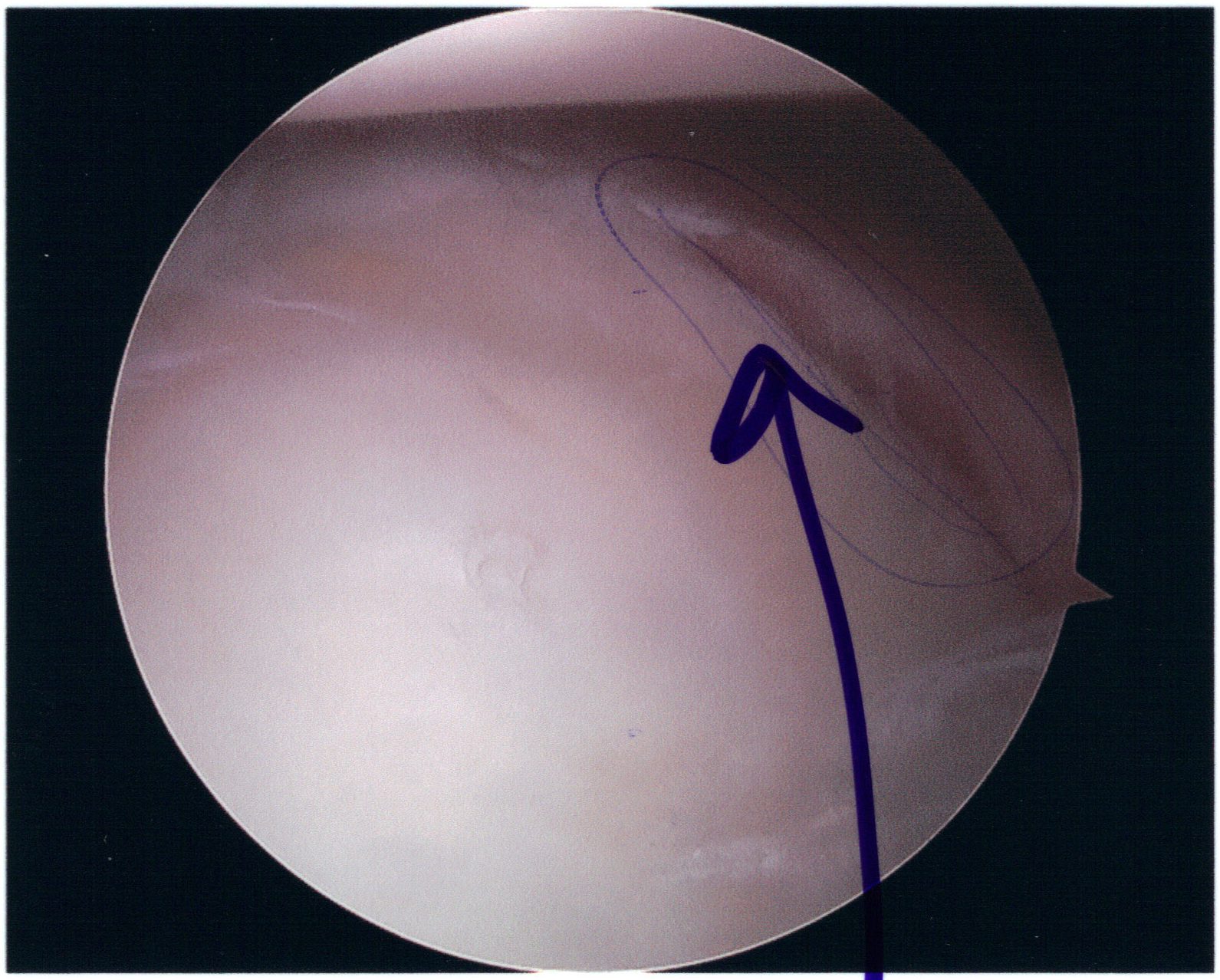
A Bankart lesion is a tear of the anteroinferior labrum of the glenoid, typically caused by an anterior shoulder dislocation. The labrum and its associated inferior glenohumeral ligament (IGHL) are the primary restraint against anterior dislocation. When the labrum tears, the static restraint is compromised and the shoulder is prone to recurrent instability. A bony Bankart includes loss of bone from the anterior glenoid rim — which further destabilizes the joint and significantly affects surgical planning.
Diagnosis
exam first, imaging secondHistory of prior shoulder dislocation (or instability episodes), anterior apprehension and relocation test findings. MRI arthrography or CT scan (for bone loss assessment) are the key imaging studies. The Instability Severity Index Score (ISIS) helps stratify recurrence risk and guide treatment.
Treatment Path
how care progresses at OSI1
Rehabilitation
After a first dislocation in older patients or those unwilling to have surgery — shoulder stabilizer strengthening with activity modification.
2
Bracing
External rotation bracing after acute dislocation to position the labrum against the glenoid for healing (evidence is mixed).
Surgical Options at OSI
if non-operative care isn't enoughRecurrent instability, first-time dislocation in a young contact/overhead athlete, and bony Bankart lesions with significant glenoid bone loss are indications for surgery.
Providers Who Treat Bankart Lesion
sports-medicine team

David B. Templin, M.D.

Trent Twitero, M.D.
Further Reading
authoritative sourcesExternal patient-education references and related OSI pages for additional background: