
Overview
what it is and why it matters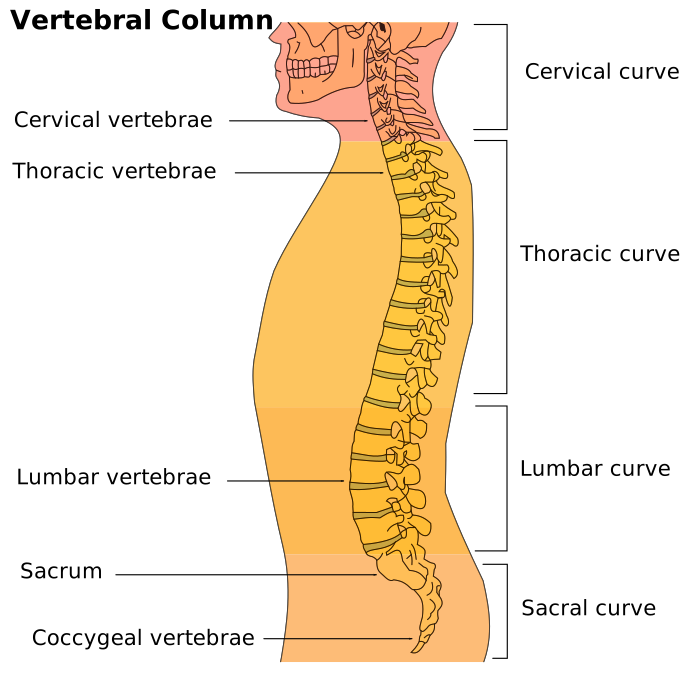
Thoracic compression fractures are the most common vertebral fractures, occurring when a vertebral body collapses under compressive load. In older patients with osteoporosis they can occur from minimal trauma — even coughing or bending. In younger patients they require significant force (fall from height, high-energy sports impact). T12 and L1 are the most commonly fractured vertebrae (the thoracolumbar junction).
The classic symptom is sudden onset midline back pain at the fracture level, often without neurologic symptoms. Multiple fractures can cause progressive kyphotic deformity.
Diagnosis
exam first, imaging secondPlain X-rays confirm the fracture and assess degree of height loss and kyphotic angulation. MRI distinguishes acute from chronic fractures (bone marrow edema on STIR sequences), identifies posterior ligamentous complex injury, and assesses for retropulsion into the canal. CT defines bony detail for surgical planning. DEXA scan to assess bone density is essential in osteoporotic fractures.
Treatment Path
how care progresses at OSIPain management
NSAIDs, acetaminophen, and short-term opioids for acute fractures.
Thoracolumbosacral orthosis (TLSO brace)
Extension bracing for 6–12 weeks in stable fractures.
Osteoporosis treatment
Anti-resorptive or anabolic therapy (bisphosphonates, teriparatide) to prevent future fractures is essential.
Physical therapy
Extension strengthening and posture correction once acute pain resolves.
If Surgery Is Truly Needed
rare for most patientsSurgery helps only a small minority of spine patients — usually those with a specific structural problem plus a nerve issue that isn’t getting better with a structured non-operative trial. When that step is genuinely warranted, OSI coordinates it the same way we coordinate every other part of your care: imaging, records, and the handoff are handled for you, so no part of the process falls on your shoulders.
Emergency. New leg weakness, numbness below the level of injury, or loss of bladder or bowel control after a spinal fracture requires emergency evaluation. Go to the nearest emergency department.
Further Reading
authoritative sourcesExternal patient-education references and related OSI pages for additional background: