
Overview
what it is and why it matters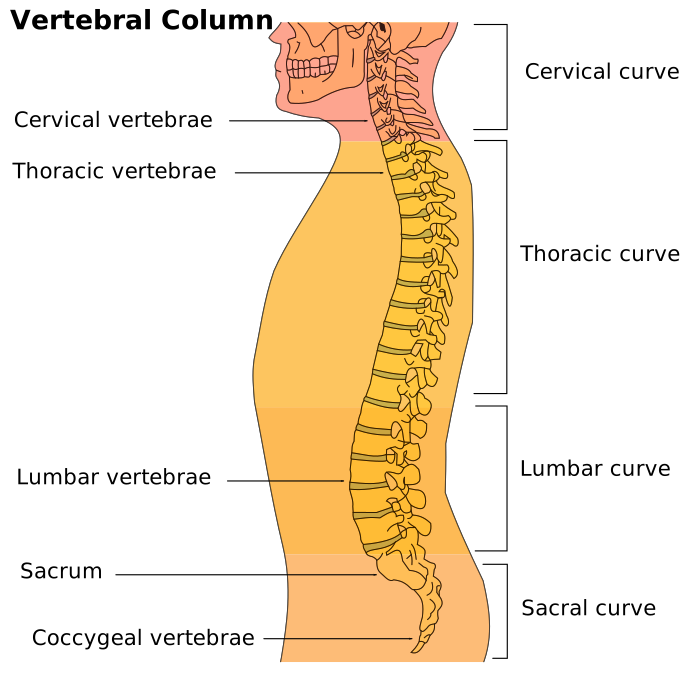
The sacroiliac (SI) joint connects the sacrum to the ilium on each side of the pelvis. It is a synovial joint with a complex ligamentous envelope that allows very limited motion. SI joint dysfunction — pain arising from the SI joint itself — accounts for 15–25% of chronic low back pain. It can result from altered biomechanics, pregnancy, leg length discrepancy, adjacent segment disease after lumbar fusion, or inflammatory arthritis (ankylosing spondylitis).
Classic presentation is pain in the lower back, buttock, and sometimes the posterior thigh, typically unilateral, that is reproduced by direct palpation 2 cm medial to the PSIS and by provocative tests.
Diagnosis
exam first, imaging secondNo single test is diagnostic. A cluster of provocation tests — FABER, FADIR, Gaenslen, posterior shear (thigh thrust), and compression — increases diagnostic specificity. Image-guided SI joint injection (with >75% pain relief) is the gold standard for confirmation. MRI may show bone marrow edema in inflammatory disease.
Treatment Path
how care progresses at OSIPhysical therapy
Stabilization exercises, pelvic girdle strengthening, and correction of biomechanical factors.
SI joint belt / orthotic
Compressive brace can stabilize hypermobile SI joints.
SI joint injection
Fluoroscopy or ultrasound-guided corticosteroid injection provides diagnostic and therapeutic relief.
Prolotherapy / PRP injection
Regenerative injection into SI joint ligaments for hypermobility-related pain.
If Surgery Is Truly Needed
rare for most patientsSurgery helps only a small minority of spine patients — usually those with a specific structural problem plus a nerve issue that isn’t getting better with a structured non-operative trial. When that step is genuinely warranted, OSI coordinates it the same way we coordinate every other part of your care: imaging, records, and the handoff are handled for you, so no part of the process falls on your shoulders.
Further Reading
authoritative sourcesExternal patient-education references and related OSI pages for additional background: