
Overview
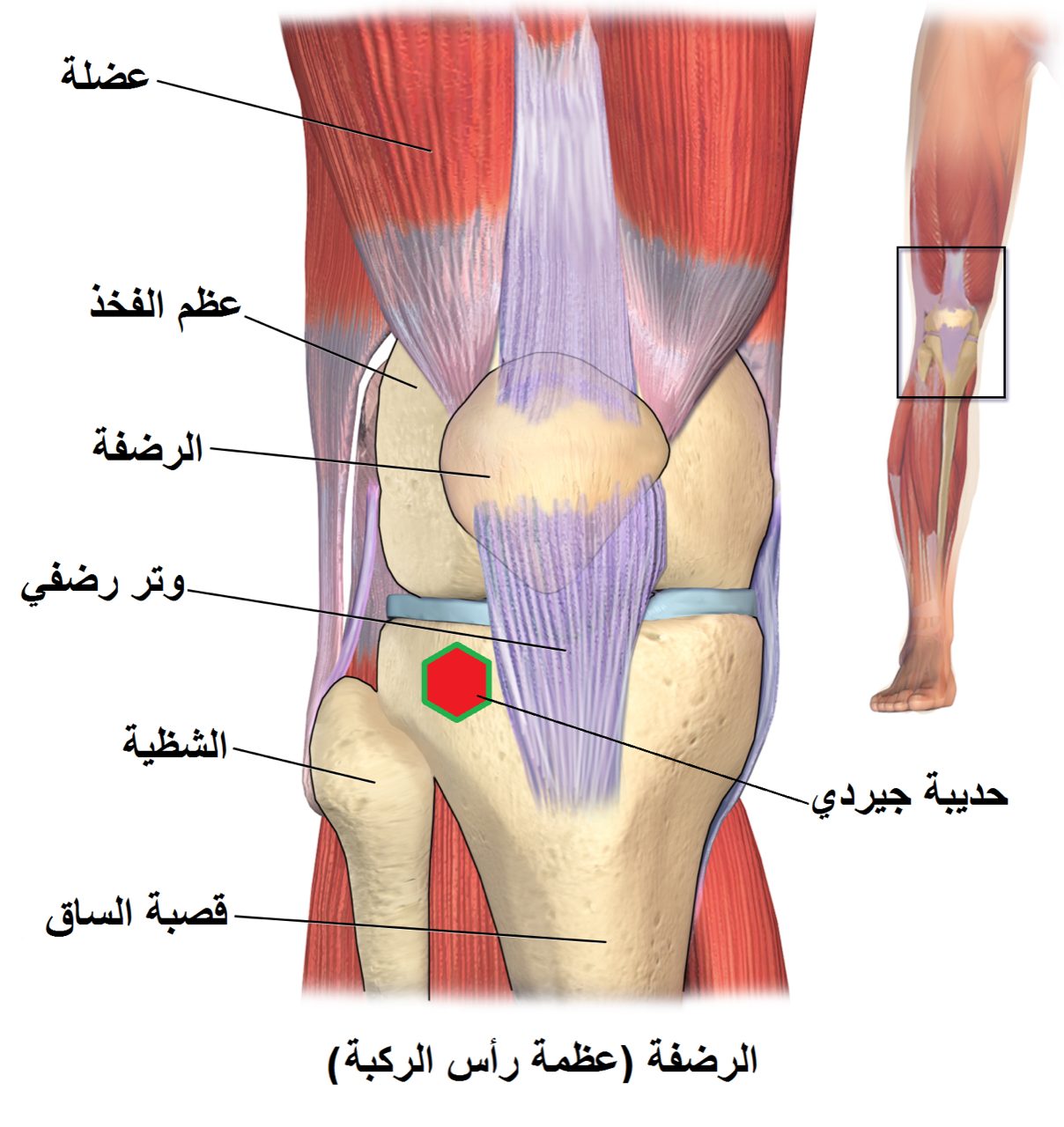
Adult cartilage has almost no native healing capacity; once a section is lost, the knee is on a path toward arthritis. A focal cartilage defect — a pothole in an otherwise healthy joint — is the best opportunity to intervene. Restoring that defect can protect the surrounding cartilage and postpone, sometimes avoid, joint replacement.
How the Procedure Works
Technique selection depends on lesion size, location, depth, patient age, and limb alignment — there is no one-size-fits-all approach. For small defects (under roughly 2 cm²) in younger patients, microfracture is reliable: we perforate the subchondral bone to release marrow elements that form a fibrocartilage fill. For larger or deeper defects, osteochondral autograft transfer (OATS) moves a cylindrical plug of the patient's own cartilage-and-bone from a low-load donor site into the defect — this restores true hyaline cartilage, which is more durable than fibrocartilage fill. Very large defects often require fresh osteochondral allograft, using donor tissue to fill a crater that would exhaust autograft supply. Cell-based procedures such as MACI implant cultured autologous chondrocytes under a membrane for lesions where the bone stock is intact. Critically, none of these work reliably in a malaligned limb — a concomitant osteotomy to shift load off the repair site is often necessary and is planned preoperatively.
When to Consider Cartilage Restoration
Cartilage restoration is generally offered when symptoms, imaging, and a trial of non-operative care together point to surgery as the next step. The typical picture includes:
Focal defect in a healthy knee
A discrete cartilage lesion with intact cartilage around it — not diffuse arthritis.
Younger patient
An age where joint replacement is not ideal and preserving the native knee is worth the longer rehab.
Correctable alignment
A limb axis that is either neutral or can be corrected (for example with an osteotomy) to avoid overloading the repair.
Conditions This Treats
Physicians Who Perform Cartilage Restoration
David B. Templin, M.D.
Trent Twitero, M.D.
Providers Who Surgically Assist with Cartilage Restoration
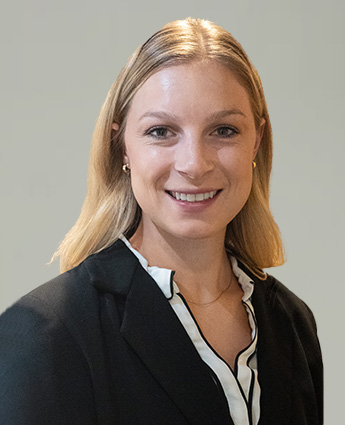
Sydney Georg, PA-C
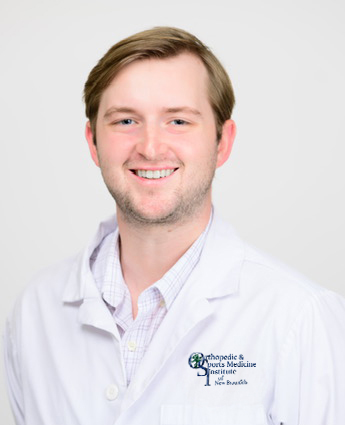
Ben Swanner, PA-C
Further Reading
External patient-education references and related OSI pages for additional background: