Overview
what it is and why it matters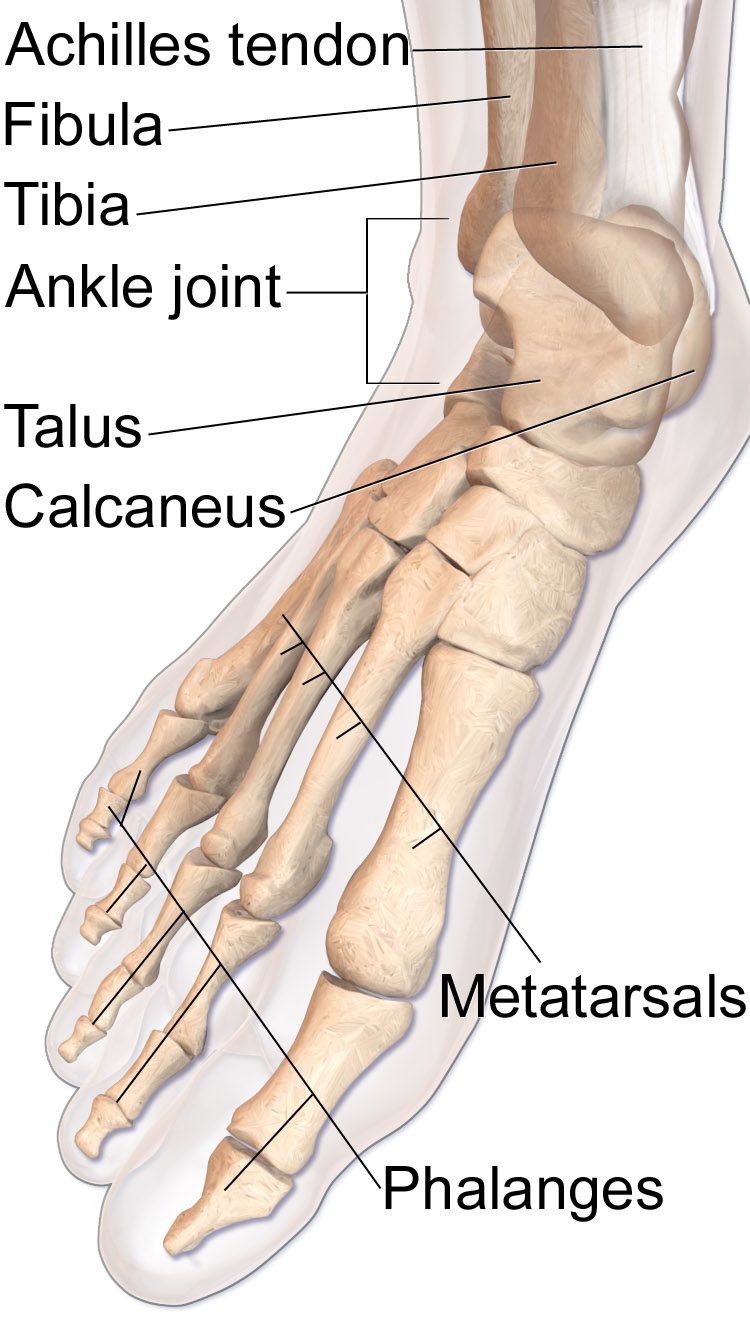
Sever's disease (calcaneal apophysitis) is the most common cause of heel pain in children aged 8–15. It is a traction apophysitis — inflammation at the growth plate of the calcaneus where the Achilles tendon inserts — caused by repetitive stress during rapid growth phases when the heel bone is still developing. It is not a true "disease" and resolves entirely with skeletal maturity.
It affects active children, especially those in running and jumping sports. Pain is at the posterior heel, worsening with activity and improving with rest. The squeeze test (medial-lateral calcaneal compression) is positive.
Diagnosis
exam first, imaging secondClinical diagnosis: posterior heel pain in a growing child, positive squeeze test, activity-related pattern. X-rays are usually not required but may show calcaneal apophyseal sclerosis or fragmentation. X-rays are primarily used to exclude other diagnoses (stress fracture, foreign body, infection).
Treatment Path
how care progresses at OSIActivity modification
Temporarily reducing high-impact sports.
Heel cup / cushion
Absorbs impact and reduces traction on the apophysis.
Calf and Achilles stretching
Reduces traction on the heel by decreasing calf tightness.
NSAIDs / ice
Acute pain management.
Physical therapy
Once acute pain resolves.
Further Reading
authoritative sourcesExternal patient-education references and related OSI pages for additional background: