
Overview
what it is and why it matters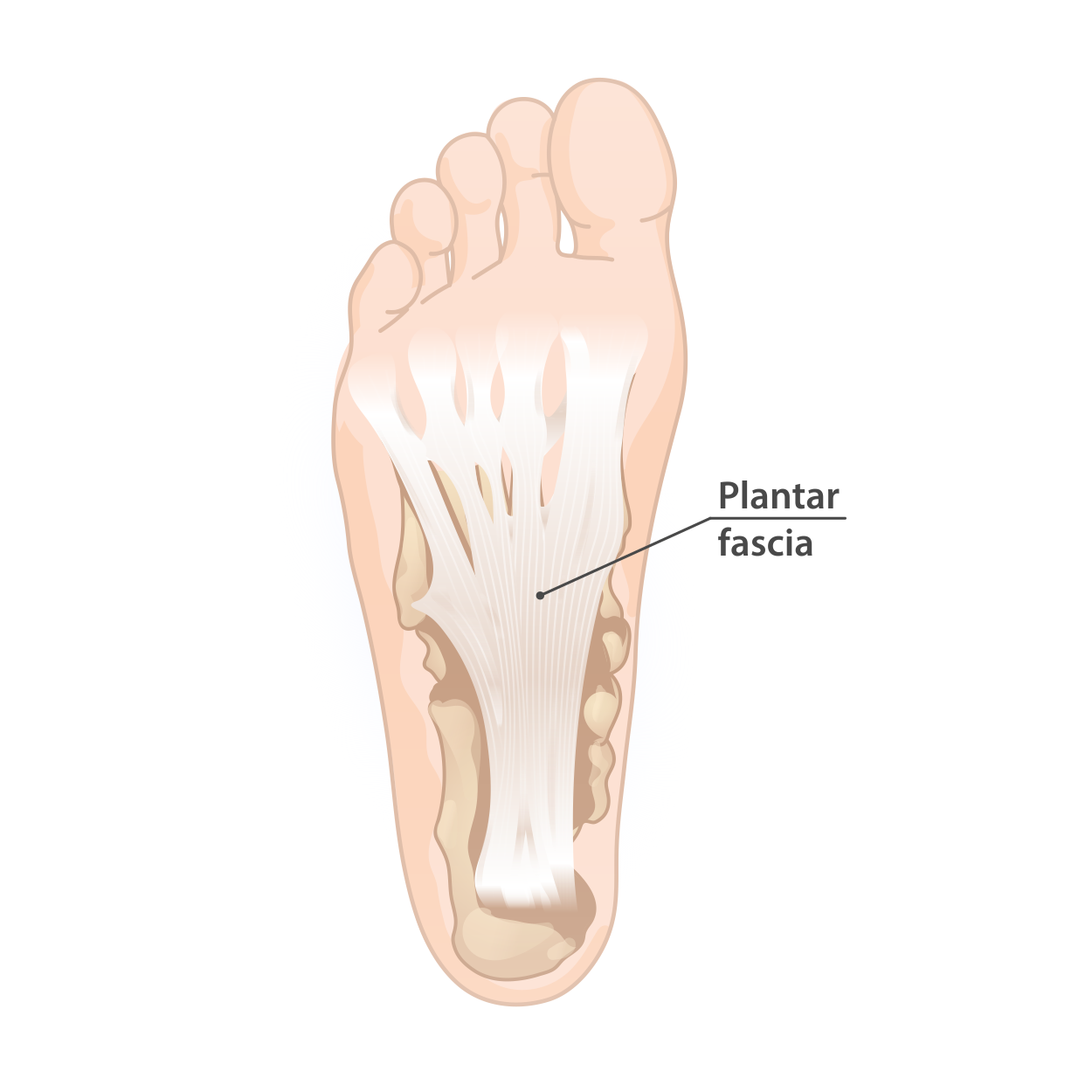
The plantar plate is a fibrocartilaginous structure on the plantar surface of each metatarsophalangeal (MTP) joint that prevents dorsal subluxation of the proximal phalanx. Tears occur from repetitive hyperextension loading (running, toe-off in high heels) and present as plantar forefoot pain under the metatarsal head — classically the second MTP — with a positive dorsal drawer test (the Lachman test of the toe). Untreated, the toe progressively subluxes and a crossover deformity develops.
Diagnosis
exam first, imaging secondDorsal drawer test of the affected MTP joint (vertical laxity compared to the contralateral side). MRI is the definitive imaging test, showing the plantar plate tear grade. Ultrasound is an alternative with a skilled operator. Weight-bearing X-ray assesses for joint subluxation.
Treatment Path
how care progresses at OSIPlantar plate taping (dorsal buddy taping)
Plantarflexion taping reduces MTP hyperextension during the healing period.
Metatarsal pad / rigid insole
Offloads the MTP joint.
Activity modification
Avoiding toe-hyperextension activities.
Surgical Options at OSI
if non-operative care isn't enoughGrade III-IV tears with MTP instability or crossover deformity require surgical repair to prevent progressive subluxation.
Further Reading
authoritative sourcesExternal patient-education references and related OSI pages for additional background: