
Overview
what it is and why it matters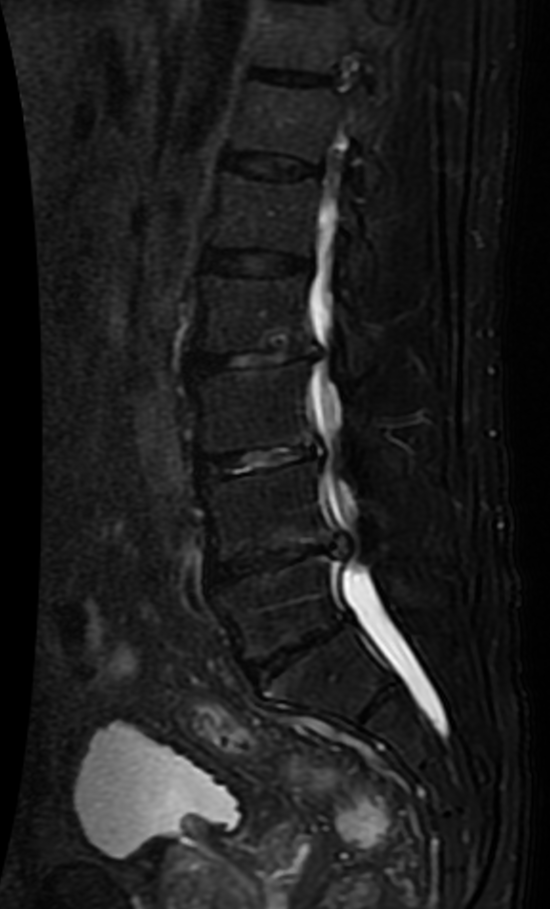
Lumbar spinal stenosis is narrowing of the spinal canal, central or foraminal, in the lumbar spine. It is the leading cause of spine surgery in patients over 65. The narrowing results from a combination of disc degeneration, facet joint hypertrophy, and ligamentum flavum thickening — normal aging changes that accumulate over decades.
The hallmark symptom is neurogenic claudication: aching leg pain, heaviness, or numbness that comes on with walking or standing and is relieved by sitting or bending forward (the "grocery cart sign"). This distinguishes stenosis from vascular claudication, which improves with rest regardless of position.
Diagnosis
exam first, imaging secondMRI demonstrates the degree of canal and foraminal narrowing and identifies the levels responsible for symptoms. CT myelogram is used when MRI is contraindicated. ABI (ankle-brachial index) or vascular duplex may be needed to exclude peripheral arterial disease in older patients with leg symptoms. The diagnosis requires correlation of imaging with symptom pattern and walking tolerance.
Treatment Path
how care progresses at OSIPhysical therapy
Flexion-based exercises, core strengthening, and aquatic therapy unload the stenotic segments.
NSAIDs
Helpful for acute flares.
Lumbar epidural steroid injection
Relieves neurogenic claudication in 50–60% of patients and can provide 3–6 months of improved walking tolerance.
Activity modification
Stationary cycling (flexed posture) is well-tolerated; uphill walking is better than downhill.
If Surgery Is Truly Needed
rare for most patientsSurgery helps only a small minority of spine patients — usually those with a specific structural problem plus a nerve issue that isn’t getting better with a structured non-operative trial. When that step is genuinely warranted, OSI coordinates it the same way we coordinate every other part of your care: imaging, records, and the handoff are handled for you, so no part of the process falls on your shoulders.
Emergency. Bilateral leg weakness, saddle numbness, or loss of bladder or bowel control is a surgical emergency — go to the nearest emergency department rather than waiting for a clinic appointment.
Further Reading
authoritative sourcesExternal patient-education references and related OSI pages for additional background: