
Overview
what it is and why it matters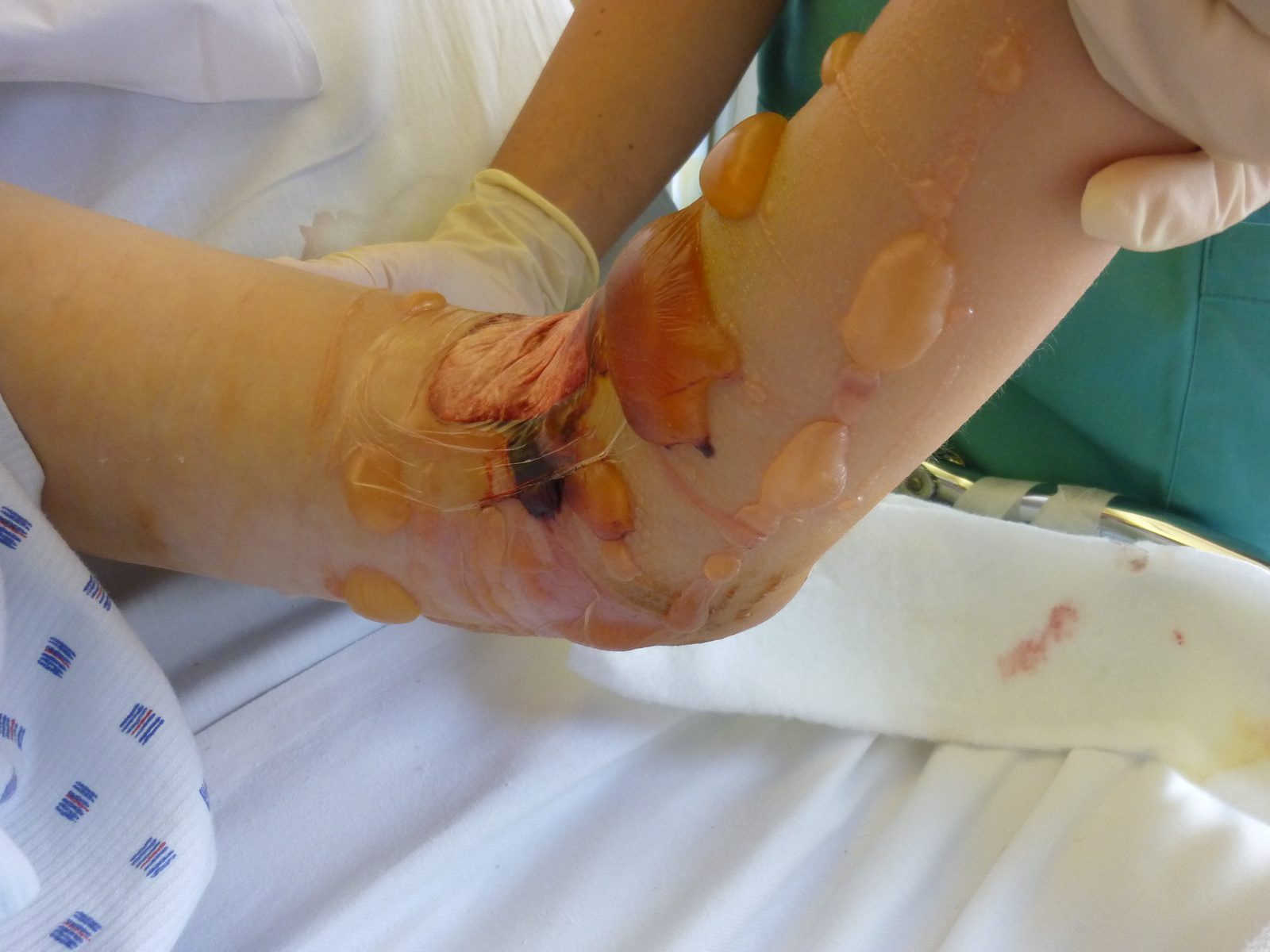
Acute compartment syndrome (ACS) is a surgical emergency. When tissue pressure within a closed fascial compartment rises above the capillary perfusion pressure (~30 mmHg, or within 30 mmHg of diastolic blood pressure), muscle and nerve ischemia begins. Without decompression, irreversible muscle necrosis (Volkmann contracture in the forearm, permanent foot drop in the leg) occurs within 4–6 hours.
ACS can follow a fracture, crush injury, burn, or even a tight cast. The classical "6 P's" of ischemia (Pain, Pressure, Paralysis, Paresthesia, Pallor, Pulselessness) are unreliable — pain out of proportion to injury and pain with passive stretch of the muscles in the compartment are the earliest and most sensitive signs.
This is a surgical emergency. Do not delay — call (830) 625-0009 or proceed immediately to the nearest emergency department.
Diagnosis
exam first, imaging secondCompartment pressure measurement using a needle manometer or digital pressure monitor confirms the diagnosis when clinical suspicion exists. A delta-P (diastolic BP minus compartment pressure) ≤30 mmHg is the accepted surgical threshold. Do not wait for pulselessness — it is a late finding indicating arterial compromise, not early compartment syndrome.
Treatment Path
how care progresses at OSILoosen constrictive dressings / bivalve cast
Immediate removal of all circumferential dressings. This may be sufficient for cast-related elevation of pressure.
Surgical Options at OSI
if non-operative care isn't enoughOnce the threshold is met (delta-P ≤30 mmHg) or when clinical suspicion is high in an obtunded patient, emergency fasciotomy is performed without delay.
Further Reading
authoritative sourcesExternal patient-education references and related OSI pages for additional background: