
Overview
what it is and why it matters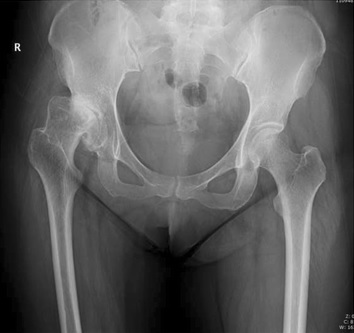
Developmental dysplasia of the hip (DDH) is a spectrum of disorders in which the acetabulum (socket) is too shallow, too vertical, or otherwise malformed — providing inadequate coverage of the femoral head. The hip is inherently less stable, the labrum and cartilage bear abnormal stress, and arthritis develops earlier than in a normally formed hip.
DDH ranges from subtle acetabular under-coverage identified in young adults to frank dislocation identified at birth. Many mild cases go undetected until a patient presents with hip pain, labral tears, or early arthritis in their 20s–40s. Women are more commonly affected than men.
Diagnosis
exam first, imaging secondYoung adults with dysplasia often present with groin pain and labral tear symptoms. The lateral center-edge angle on weight-bearing AP pelvis X-ray is the key measurement — values below 25° indicate under-coverage. MRI evaluates the labrum and cartilage. CT provides three-dimensional assessment for surgical planning.
Treatment Path
how care progresses at OSI1
Activity modification
Reducing high-impact loading protects the joint while symptoms are managed.
2
Physical therapy
Hip stabilizer and core strengthening compensates partially for the bony instability.
3
NSAIDs
Manage inflammatory pain.
Intra-articular injection
Diagnostic and therapeutic injection for labral-driven pain.
Surgical Options at OSI
if non-operative care isn't enoughSurgery is indicated when symptoms are significant and the anatomy is correctable. The goal of joint-preserving surgery is to re-orient the socket to provide better femoral head coverage before irreversible cartilage damage occurs.
Providers Who Treat Developmental Dysplasia
sports-medicine team

David B. Templin, M.D.

Trent Twitero, M.D.
Further Reading
authoritative sourcesExternal patient-education references and related OSI pages for additional background: