
Overview
what it is and why it matters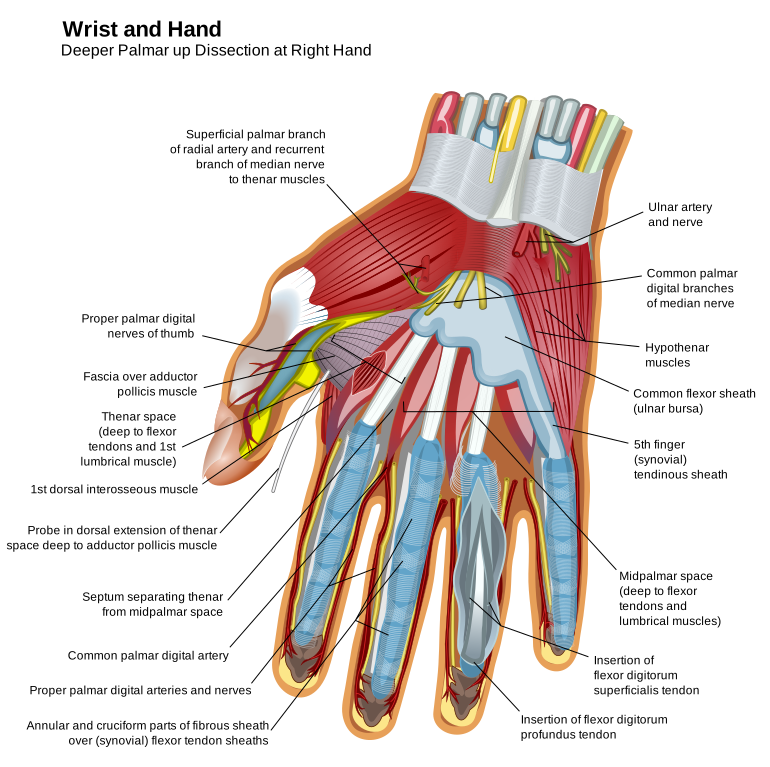
Thumb CMC (carpometacarpal) osteoarthritis — also called basal joint arthritis — is the second most common arthritis of the hand, after DIP joint arthritis. The CMC joint sits at the base of the thumb where the metacarpal meets the trapezium. Its saddle shape gives the thumb its wide range of motion but also makes it prone to wear when the joint is repeatedly loaded in pinch and grip.
It is far more common in women (estimated 10:1) and typically appears after age 40. Symptoms include aching pain with pinching or jar-opening, swelling at the thumb base, and a characteristic "shelf sign" or bony prominence where the metacarpal base subluxes dorsally.
Diagnosis
exam first, imaging secondThe grind test — axial compression and rotation of the thumb metacarpal — reproduces pain and sometimes crepitus. Weight-bearing (stress) X-rays of the CMC joint show joint space narrowing, sclerosis, and osteophytes. X-rays also rule out scaphotrapeziotrapezoid (STT) joint involvement.
Treatment Path
how care progresses at OSI1
Thumb spica splinting
Custom or prefabricated splints immobilize the CMC joint, reducing pain with activities.
2
Activity modification
Using ergonomic aids, jar openers, and avoiding sustained pinch loading.
3
Occupational / hand therapy
Strengthening the surrounding muscles can offload the arthritic joint.
Corticosteroid injection
Ultrasound-guided injection into the CMC joint relieves inflammation for weeks to months.
Surgical Options at OSI
if non-operative care isn't enoughSurgery is considered for moderate-to-severe arthritis with persistent pain unresponsive to conservative care over 3–6 months.
Providers Who Treat Thumb Cmc Osteoarthritis
sports-medicine team

David B. Templin, M.D.

Trent Twitero, M.D.
Further Reading
authoritative sourcesExternal patient-education references and related OSI pages for additional background: