
Overview
what it is and why it matters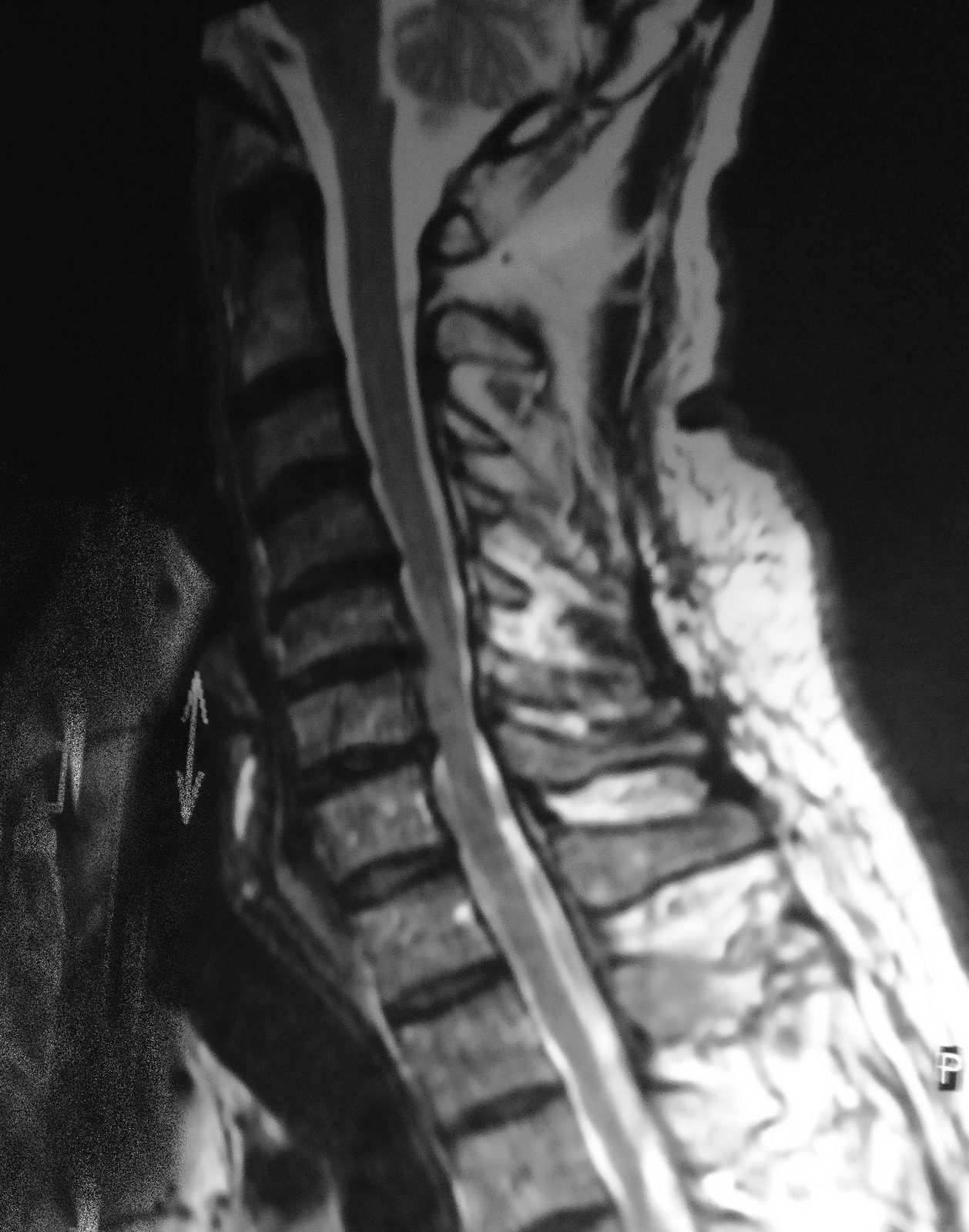
Cervical stenosis is narrowing of the spinal canal in the neck to the point that the spinal cord or nerve roots are compressed. Most cases result from degenerative spondylosis — a combination of disc degeneration, facet hypertrophy, ligamentum flavum buckling, and osteophyte formation — accumulating over decades. Some patients have congenitally narrow canals that make them more vulnerable.
Stenosis without cord compression may be asymptomatic for years. When the cord is compressed, patients develop cervical myelopathy: clumsy hands, gait instability, and in severe cases, loss of bladder or bowel control.
Diagnosis
exam first, imaging secondMRI is the definitive test, showing the degree of canal narrowing and cord signal change. CT myelogram is used when MRI is contraindicated or when bony detail is needed for surgical planning. Myelopathy is graded clinically using the modified Japanese Orthopaedic Association (mJOA) scale.
Treatment Path
how care progresses at OSIActivity modification
Avoiding contact sports and activities with fall or axial-load risk while under evaluation.
Physical therapy
Can maintain function in mild stenosis without myelopathy.
Cervical epidural steroid injection
Manages radicular pain component while patients are evaluated.
If Surgery Is Truly Needed
rare for most patientsSurgery helps only a small minority of spine patients — usually those with a specific structural problem plus a nerve issue that isn’t getting better with a structured non-operative trial. When that step is genuinely warranted, OSI coordinates it the same way we coordinate every other part of your care: imaging, records, and the handoff are handled for you, so no part of the process falls on your shoulders.
Emergency. Sudden loss of hand dexterity, worsening balance, arm or leg weakness, or loss of bladder or bowel control can reflect spinal-cord compression — go to the nearest emergency department rather than waiting for a clinic appointment.
Further Reading
authoritative sourcesExternal patient-education references and related OSI pages for additional background: