
Overview
what it is and why it matters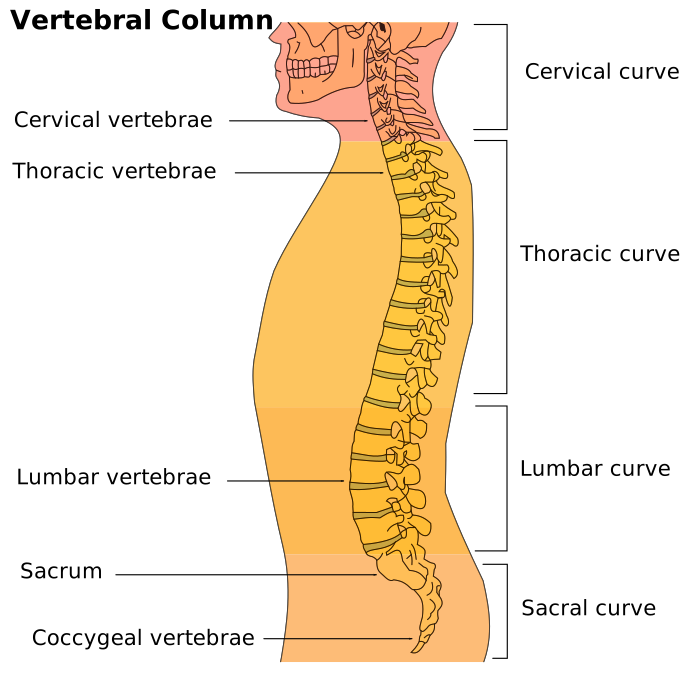
Spondylolysis is a stress fracture through the pars interarticularis — the narrow bridge of bone between the superior and inferior articular facets of a lumbar vertebra. L5 is affected in 90% of cases. It is the most common identifiable cause of low back pain in adolescent athletes who perform repetitive lumbar extension: gymnasts, football linemen, figure skaters, and fast bowlers.
If both sides fracture and the vertebra slips forward, the condition becomes isthmic spondylolisthesis.
Diagnosis
exam first, imaging secondOblique X-rays may show the classic "Scotty dog collar" fracture line but are relatively insensitive. SPECT bone scan is the most sensitive test for active/acute spondylolysis. MRI detects bone marrow edema (early stress reaction) before frank fracture. CT with SPECT is used to grade healing potential.
Treatment Path
how care progresses at OSIActivity restriction
Rest from the aggravating sport is the foundation of treatment.
TLSO or anti-lordotic brace
3–6 months of bracing for symptomatic active fractures encourages healing.
Physical therapy
Core strengthening, hip flexibility, and sport-specific retraining after pain resolves.
If Surgery Is Truly Needed
rare for most patientsSurgery helps only a small minority of spine patients — usually those with a specific structural problem plus a nerve issue that isn’t getting better with a structured non-operative trial. When that step is genuinely warranted, OSI coordinates it the same way we coordinate every other part of your care: imaging, records, and the handoff are handled for you, so no part of the process falls on your shoulders.
Further Reading
authoritative sourcesExternal patient-education references and related OSI pages for additional background: