
Overview
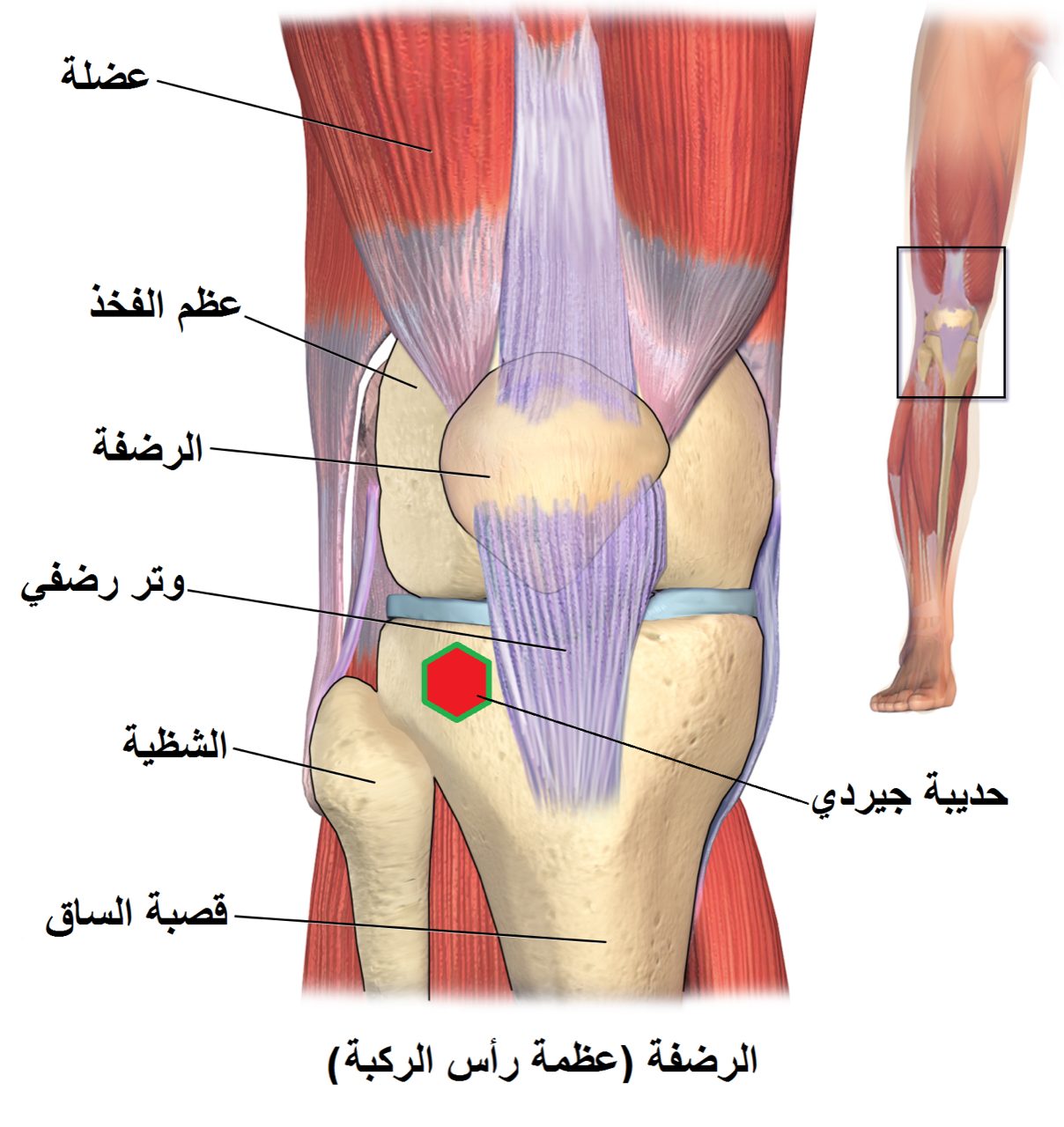
The anterior cruciate ligament runs diagonally inside the knee joint, connecting the femur to the tibia. It is the primary restraint against the tibia sliding forward and against rotational pivoting — exactly the forces generated during cutting and landing in sport. A torn ACL leaves the knee unstable for pivoting activity and often accompanies meniscal and cartilage injuries that compound over time.
How the Procedure Works
The first decision is graft selection. Patellar tendon (bone-tendon-bone) offers bone-to-bone healing at both ends and is our preference for high-demand athletes; hamstring tendons are a reliable alternative, particularly when avoiding patellar donor-site morbidity matters; quadriceps tendon has become an increasingly common choice for its graft bulk with modest donor-site impact. After the torn ACL is cleared arthroscopically, we drill femoral and tibial tunnels at the anatomic footprints — slightly off-center placements translate directly into rotational instability and re-tear risk, so tunnel position is the most technique-sensitive step. The graft is tensioned and secured at both ends under anatomic load; we stress-test the reconstruction before closing to confirm stability at the full arc of motion. The graft is not a ligament yet — it remodels over 9–12 months of progressive loading, which is why rehabilitation pacing matters as much as the surgery.
When to Consider ACL Reconstruction
ACL reconstruction is generally offered when symptoms, imaging, and a trial of non-operative care together point to surgery as the next step. The typical picture includes:
Active patients wishing to return to sport
Athletes who want to return to pivoting or cutting sports — soccer, basketball, skiing, football — where a stable ACL is non-negotiable.
Young patients with a long active life ahead
Reconstruction protects the meniscus and cartilage from the repeated giving-way episodes an ACL-deficient knee produces.
Associated injuries that need addressing
Meniscal tears, cartilage damage, or multi-ligament injury that should be surgically managed at the same sitting.
Conditions This Treats
Physicians Who Perform ACL Reconstruction

David B. Templin, M.D.

Trent Twitero, M.D.
Providers Who Surgically Assist with ACL Reconstruction
Sydney Georg, PA-C

Ben Swanner, PA-C
Further Reading
External patient-education references and related OSI pages for additional background: