
Overview
what it is and why it matters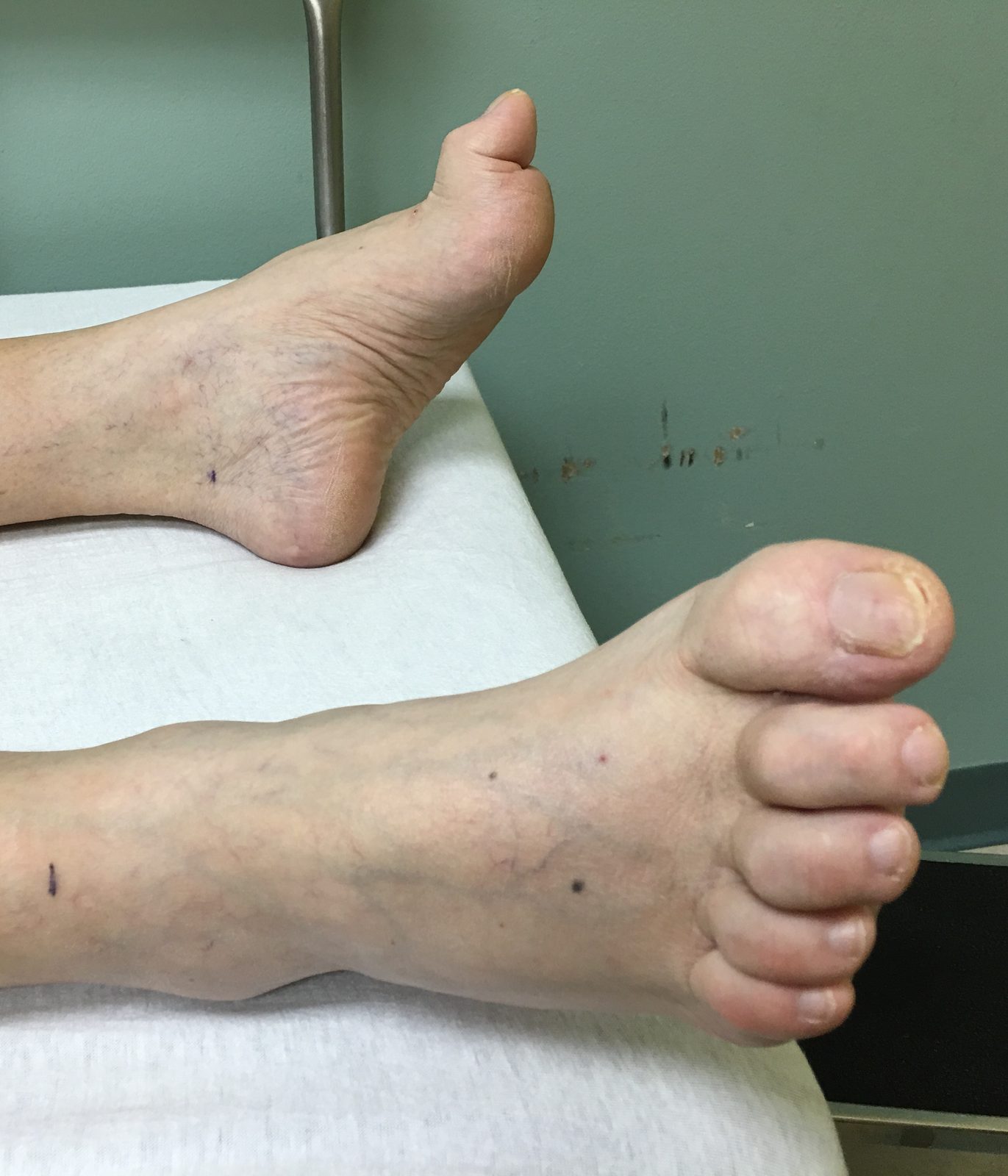
Hammer toe is a flexion deformity at the PIP joint of a lesser toe, with the MTP joint neutral or hyperextended. Claw toe involves flexion at both PIP and DIP joints with MTP hyperextension — a result of intrinsic muscle imbalance often associated with neurologic conditions or severe cavus foot. Mallet toe is isolated DIP flexion. The deformities can be flexible (passively correctable) or rigid (fixed), which determines the surgical approach.
The second toe is most commonly affected. Long-standing deformities cause painful dorsal corn formation at the PIP joint and plantar callus under the metatarsal head.
Diagnosis
exam first, imaging secondClinical examination assessing flexibility (passive MTP/PIP/DIP correction) and neurovascular status. Weight-bearing X-rays define bony alignment. Associated first ray pathology (bunion, hallux rigidus) is assessed simultaneously.
Treatment Path
how care progresses at OSIToe-stretching exercises
Effective only for flexible deformities.
Wider footwear
Reduces dorsal pressure on the PIP joint.
Toe pad / sleeve
Cushions the prominent joint.
Metatarsal pad
Alleviates associated metatarsalgia.
Surgical Options at OSI
if non-operative care isn't enoughSurgery is indicated for painful rigid deformities or flexible deformities that have failed non-surgical accommodation.
Further Reading
authoritative sourcesExternal patient-education references and related OSI pages for additional background: