
Overview
what it is and why it matters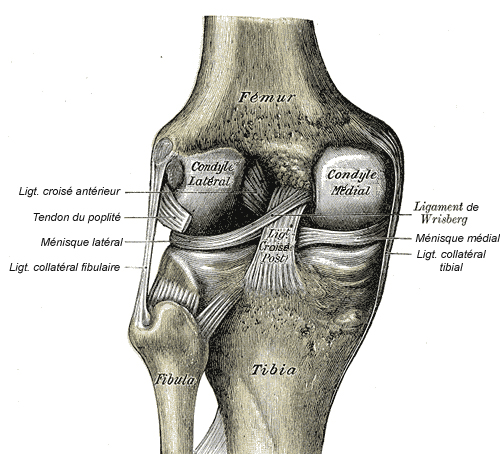
The medial collateral ligament (MCL) runs along the inner side of the knee, connecting the femur to the tibia and resisting valgus (inward) stress. MCL sprains are the most common knee ligament injuries, typically caused by a direct blow to the outer knee or by a valgus load during contact sports. Isolated MCL sprains are graded I (mild), II (moderate, partial tear), and III (complete tear).
Most isolated MCL tears heal very well without surgery because the MCL has a good blood supply and reliable healing potential — a significant difference from the ACL.
Diagnosis
exam first, imaging secondMedial knee pain and tenderness along the MCL, worsened by valgus stress. Swelling is typically less dramatic than ACL tears. The valgus stress test at 0° and 30° assesses the degree of laxity. MRI quantifies the tear grade and identifies associated injuries, particularly medial meniscus tears and ACL tears in the "unhappy triad."
Treatment Path
how care progresses at OSI1
Hinged knee brace
Provides medial stability during healing; grade I–II tears typically heal in 2–6 weeks, grade III in 8–12 weeks.
2
Physical therapy
Range-of-motion and quadriceps/hamstring strengthening with progressive return to sport.
3
NSAIDs
Address acute pain and swelling.
Surgical Options at OSI
if non-operative care isn't enoughIsolated MCL tears rarely require surgery. Surgical repair or reconstruction is considered for grade III tears that fail to heal with bracing, multi-ligament knee injuries, or when the MCL is avulsed from bone.
Providers Who Treat Mcl Sprain
sports-medicine team

David B. Templin, M.D.

Trent Twitero, M.D.
Further Reading
authoritative sourcesExternal patient-education references and related OSI pages for additional background: