
Overview
what it is and why it matters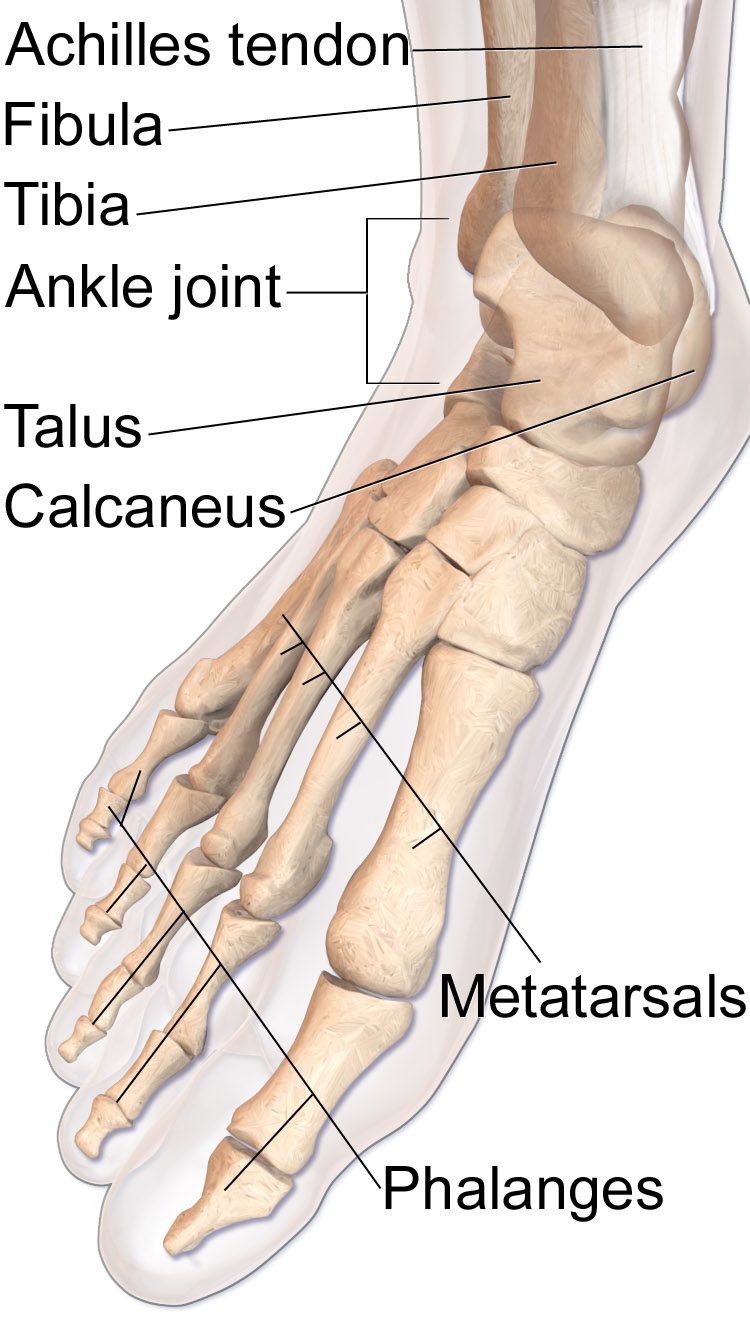
Lateral ankle sprains are the most common sports injury. The anterior talofibular ligament (ATFL) is injured first (with inversion), followed by the calcaneofibular ligament (CFL) in more severe sprains. Grade I is stretching without tearing, grade II is partial tear, and grade III is complete rupture. The vast majority heal without surgery.
Risk factors for re-injury include inadequate rehabilitation (especially proprioception training), previous sprain, and muscle weakness.
Diagnosis
exam first, imaging secondThe Ottawa Ankle Rules guide imaging decisions — X-rays are required only if there is bony tenderness at the posterior fibula/tibia tip or inability to bear weight. The anterior drawer test (assesses ATFL laxity) and talar tilt test (assesses CFL) guide severity. MRI is ordered when symptoms persist despite 6 weeks of rehabilitation, to assess ligament integrity and rule out osteochondral lesion.
Treatment Path
how care progresses at OSIRICE (Rest, Ice, Compression, Elevation)
Acute management for the first 48–72 hours.
Early mobilization
Evidence strongly supports early motion over prolonged immobilization for most sprains.
Physical therapy
Peroneal strengthening, proprioception training with balance board, and sport-specific agility — the most important factor in preventing re-sprain.
Functional bracing
Lace-up ankle brace for return to sport after grade II-III sprains.
Surgical Options at OSI
if non-operative care isn't enoughSurgery is indicated for grade III sprains with significant mechanical instability after failed rehabilitation (>3–6 months), or with associated osteochondral lesion requiring arthroscopic treatment.
Further Reading
authoritative sourcesExternal patient-education references and related OSI pages for additional background: