
Hyaluronic Acid Injections
Sometimes called “rooster comb” or “gel” shots — what they are, when they help, and what to expect.
What It Is
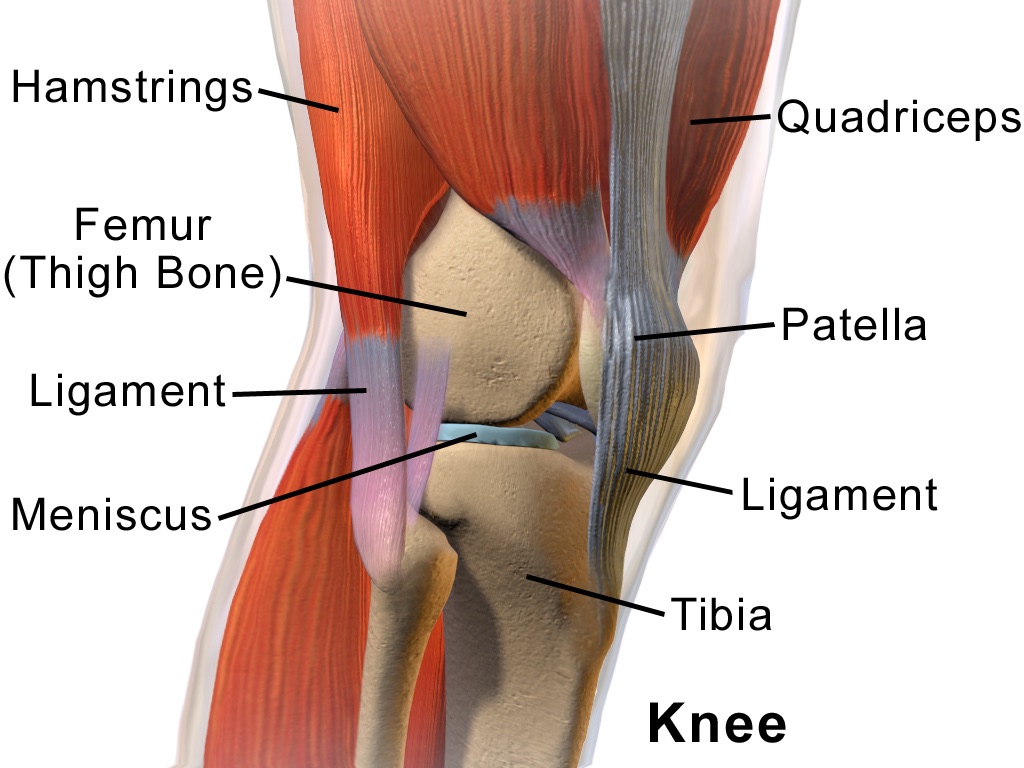
Hyaluronic acid is a gel-like substance your body naturally makes. It’s part of the fluid inside every joint, where it helps the surfaces glide against each other and cushions the bone underneath. In an arthritic knee, that natural fluid thins out and loses some of its cushioning.
A hyaluronic acid injection replaces a small amount of that missing gel. The products are FDA-approved for knee arthritis and go by brand names like Synvisc, Euflexxa, Monovisc, Orthovisc, and Supartz. You may also hear these called “rooster comb” shots — a nickname that comes from how the original gel was sourced.
When It Tends to Help
- Mild to moderate knee arthritis — the sweet spot. Patients who already have a bone-on-bone knee tend not to get much from it.
- After other simple things have been tried — activity changes, physical therapy, anti-inflammatory pills (ibuprofen, Aleve, etc.), or a cortisone shot that helped but wore off too quickly.
- Patients who want to delay or avoid a knee replacement — it won’t reverse the arthritis, but it can buy meaningful time and comfort.
What to Expect
- Depending on the brand, it’s one injection or a short series of 1–5 shots spaced about a week apart.
- The injection itself takes only a few minutes. Some joint stiffness or aching for a day or two afterward is normal.
- Relief usually builds gradually over 4–6 weeks — this is not a shot that feels great the next morning.
- When it works, benefit often lasts several months; a repeat course can be considered once it wears off.
What the Evidence Says
High-quality studies show a modest but real improvement in pain and function compared with a saline placebo shot. Medical societies don’t all agree on how strongly to recommend it — some are neutral, others recommend it as a reasonable option before surgery. In our own practice we reserve it for patients who fit the profile above, and we’re honest when we don’t think it’s likely to help.
Insurance and Cost
Most insurance plans cover hyaluronic acid injections for knee arthritis when the criteria are met (usually confirmed arthritis on X-ray and a record of trying conservative treatment first). Coverage for other joints — hip, shoulder, ankle — is often denied as off-label. We will check your coverage and give you a clear cost estimate before scheduling.
Risks
- Soreness or swelling at the injection site for a few days — most common.
- A flare of knee pain within the first day or two — uncommon, usually settles quickly.
- Infection — very rare with sterile technique.
- No benefit — some patients simply don’t respond, and that’s hard to predict in advance.
Related
Related condition: knee osteoarthritis. Related non-operative options: cortisone injections, PRP, bracing. Related surgical options: partial knee replacement, total knee replacement.
A Note on “stem Cell” Injections
We don’t offer injectable products marketed as “stem cell therapy” from amniotic, umbilical-cord, or fat-derived sources. The evidence for these in orthopedics is thin, and the FDA has taken action against clinics making unsupported claims. Our surgeons will discuss the current evidence honestly and recommend treatments that are backed by good data.
Next Steps
The best way to know whether a gel injection makes sense for your knee is an in-person visit with imaging review. Request an appointment or call (830) 625-0009.