
Overview
what it is and why it matters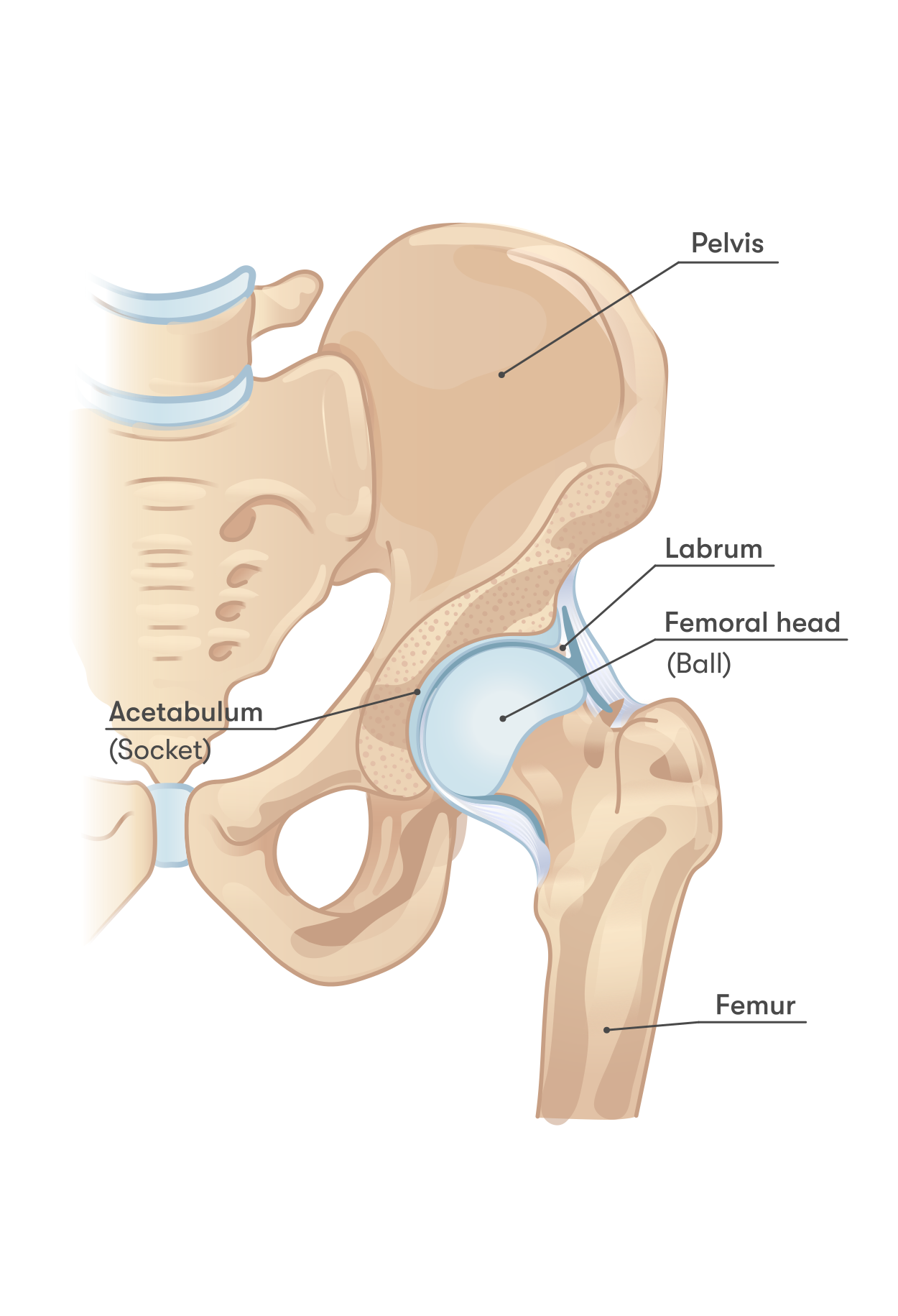
The greater trochanter is the bony prominence on the outer side of your upper femur. A bursa — a small fluid-filled cushioning sac — lies over it, allowing the iliotibial band and gluteal tendons to glide without friction. When that bursa becomes inflamed (bursitis), every step that loads the outer hip causes pain.
Greater trochanteric bursitis is the most common cause of lateral hip pain. It is more common in middle-aged women and in runners. Weak hip abductors, leg-length discrepancy, and IT band tightness are contributing factors. The term "greater trochanteric pain syndrome" is often preferred because gluteal tendinopathy — partial tearing of the gluteus medius or minimus tendons — frequently co-exists with or mimics bursitis.
Diagnosis
exam first, imaging secondThe hallmark is point tenderness directly over the greater trochanter, reproduced by pressing on the outer hip. Pain typically worsens lying on the affected side, climbing stairs, or walking. X-rays are usually normal but exclude bony pathology. Ultrasound or MRI can confirm bursitis and identify associated gluteal tendinopathy.
Treatment Path
how care progresses at OSI1
Activity modification & load management
Reducing high-impact activities and avoiding sustained hip adduction (crossing legs, sleeping on a soft mattress) reduces bursal irritation.
2
Physical therapy
Hip abductor and external rotator strengthening — especially the gluteus medius — is the most effective long-term treatment.
3
NSAIDs
Oral anti-inflammatories reduce acute bursal swelling and pain.
Corticosteroid injection
Ultrasound-guided injection into the bursa provides rapid, significant pain relief and is a useful adjunct to physical therapy.
PRP injection
Platelet-rich plasma injected into the bursa or directly into an associated tendinopathy is a reasonable option when cortisone has provided only temporary relief.
Surgical Options at OSI
if non-operative care isn't enoughSurgery is rarely needed. When a partial or full-thickness gluteal tendon tear is confirmed and does not respond to non-operative care, repair may be considered.
Providers Who Treat Greater Trochanteric Bursitis
sports-medicine team

David B. Templin, M.D.

Trent Twitero, M.D.
Further Reading
authoritative sourcesExternal patient-education references and related OSI pages for additional background: