
Overview
what it is and why it matters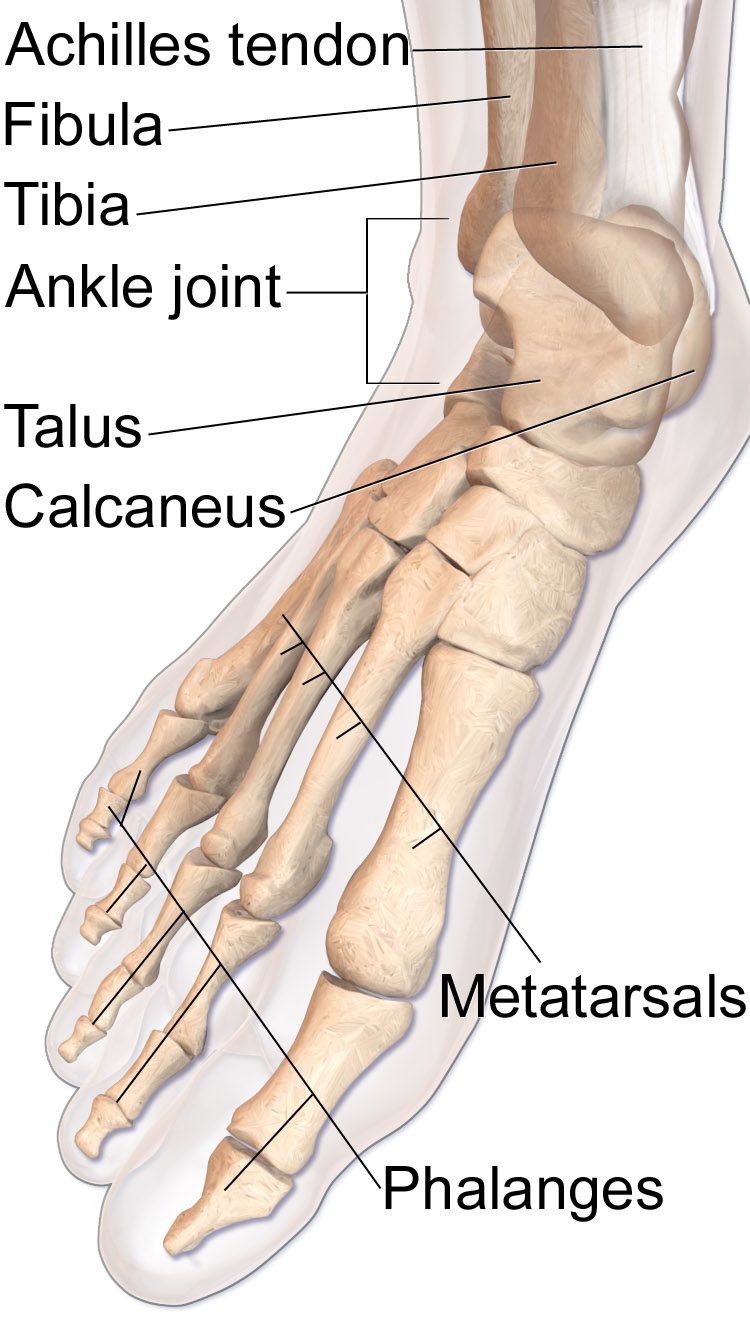
Chronic ankle instability (CAI) develops in roughly 40% of patients after an acute lateral ankle sprain and is defined by persistent feelings of giving-way, recurrent sprains, and subjective instability. The underlying problem is a combination of mechanical laxity (from incompletely healed ligaments) and functional instability (proprioceptive deficits, peroneal weakness). Left untreated, CAI can lead to progressive osteochondral damage and ankle arthritis.
Diagnosis
exam first, imaging secondClinical history of recurrent sprains and giving-way. Positive anterior drawer and talar tilt tests with increased laxity compared to the contralateral ankle. MRI identifies ligament integrity, osteochondral lesions, and associated pathology. Stress X-rays under fluoroscopy quantify talar tilt and anterior translation objectively.
Treatment Path
how care progresses at OSINeuromuscular rehabilitation
Peroneal strengthening, proprioception training, and sport-specific balance retraining. The mainstay of treatment and effective in many patients.
Functional bracing
Lace-up ankle brace for sports to prevent further sprains while rehabilitation progresses.
Surgical Options at OSI
if non-operative care isn't enoughSurgery is recommended after 3–6 months of structured rehabilitation fails to resolve instability symptoms.
Further Reading
authoritative sourcesExternal patient-education references and related OSI pages for additional background: