
Overview
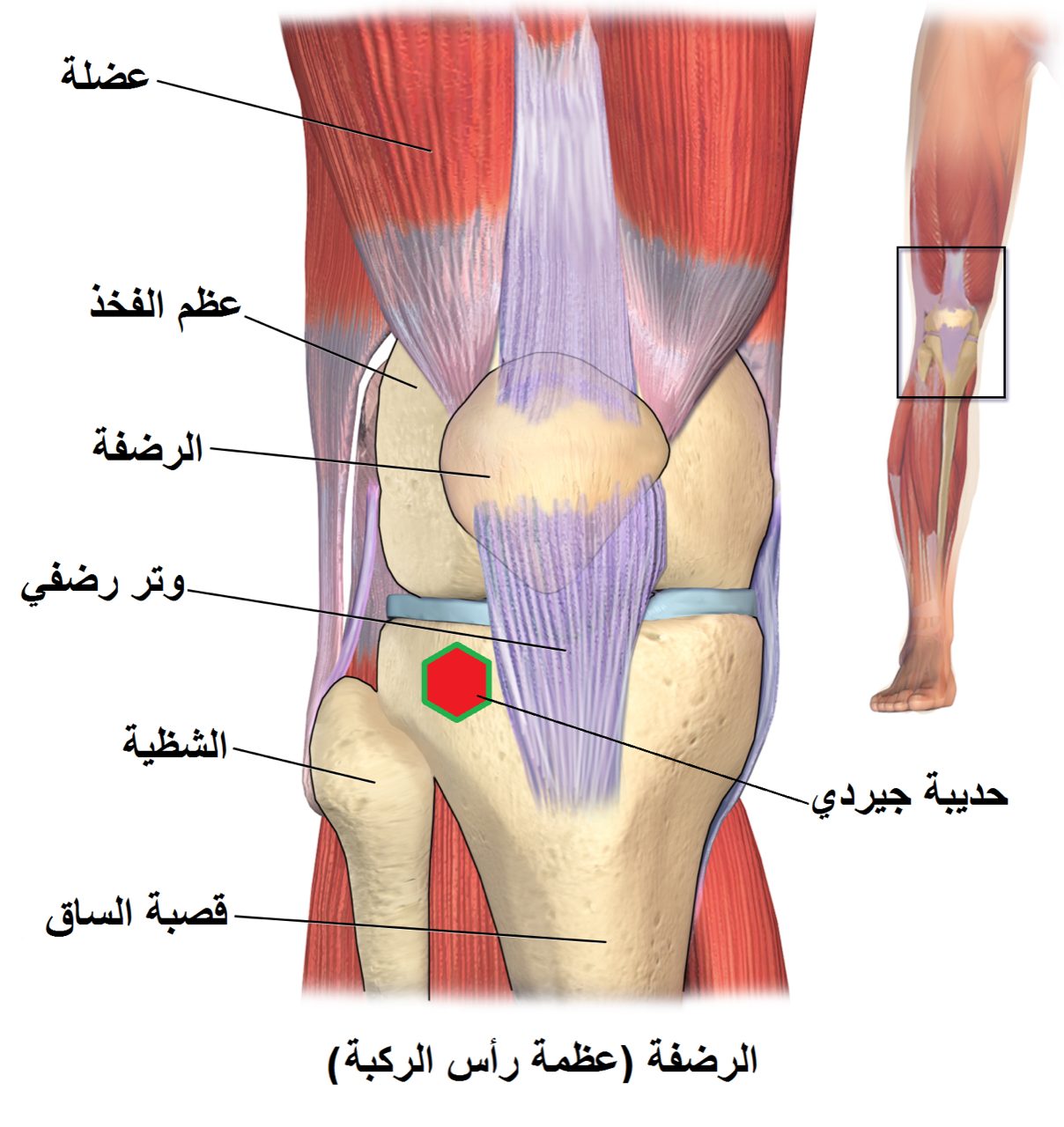
The quadriceps tendon attaches the powerful thigh muscles to the top of the patella. A complete rupture — most often in middle-aged or older patients after an eccentric load — eliminates active knee extension. Like its cousin the patellar tendon, it requires prompt repair before retraction sets in.
How the Procedure Works
Heavy sutures are passed through the torn tendon and anchored to the patella through bone tunnels or suture anchors. Reattachment restores continuity so the quadriceps once again extends the knee.
When to Consider Quadriceps Tendon Repair
Quadriceps tendon repair is generally offered when symptoms, imaging, and a trial of non-operative care together point to surgery as the next step. The typical picture includes:
Acute quadriceps tendon rupture
Sudden loss of the ability to actively extend the knee, with a palpable defect above the kneecap.
Functional extensor lag
Persistent weakness in active knee extension after conservative trial in a chronic or partial tear.
Conditions This Treats
Physicians Who Perform Quadriceps Tendon Repair


David B. Templin, M.D.

Trent Twitero, M.D.
Providers Who Surgically Assist with Quadriceps Tendon Repair

Sydney Georg, PA-C

Ben Swanner, PA-C
Further Reading
External patient-education references and related OSI pages for additional background: