
Overview
what it is and why it matters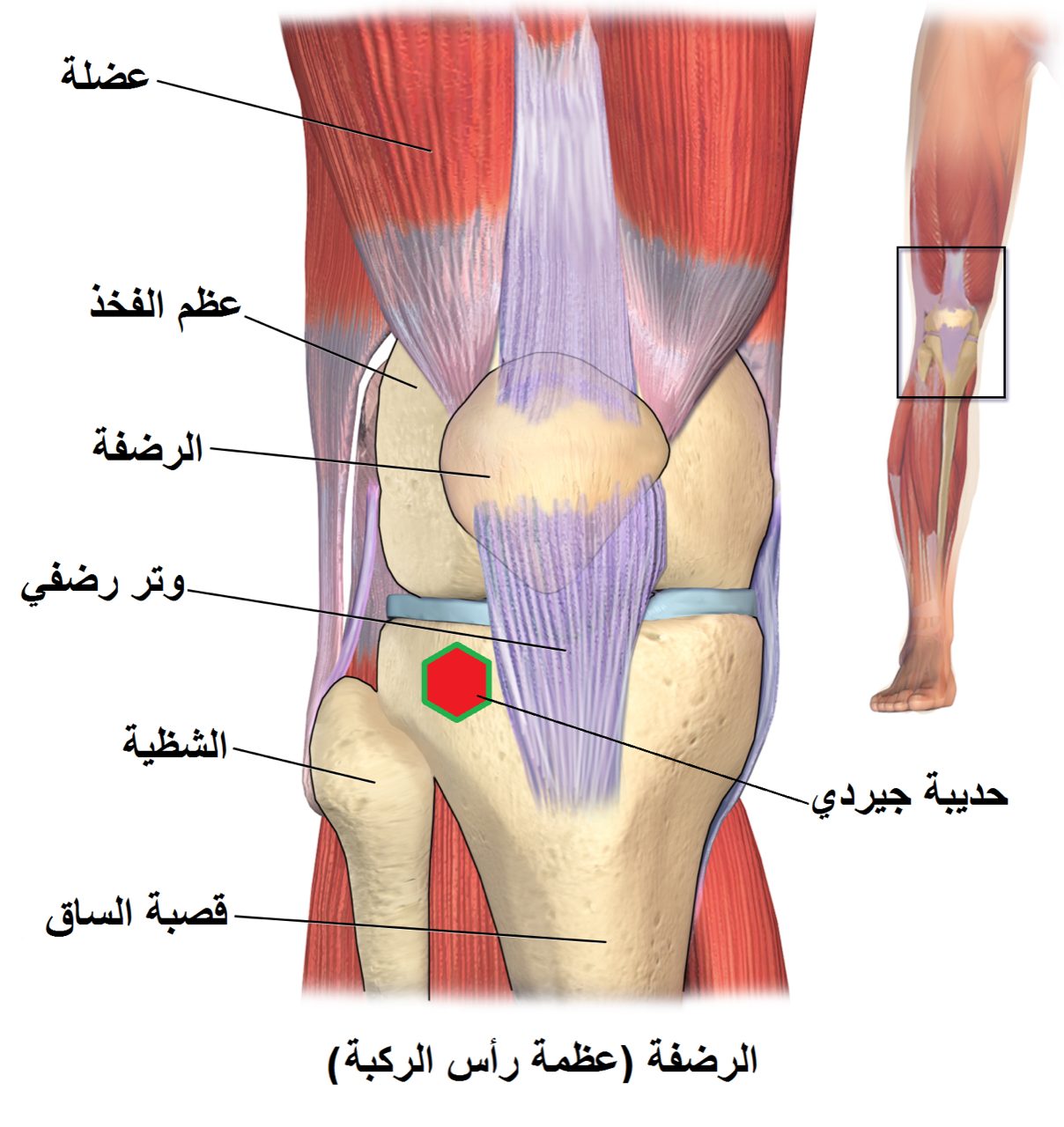
The lateral collateral ligament (LCL) runs along the outer knee from the lateral femoral epicondyle to the fibular head, resisting varus (outward) stress. Isolated LCL injuries are less common than MCL injuries; more often the LCL is injured as part of a posterolateral corner (PLC) complex injury, which also involves the popliteus and popliteofibular ligament. High-energy varus or hyperextension mechanisms cause most LCL/PLC injuries.
Diagnosis
exam first, imaging secondLateral knee pain and tenderness at the fibular head or lateral femoral epicondyle. The varus stress test and dial test (external tibial rotation at 30° and 90°) assess LCL and posterolateral corner integrity. MRI evaluates all three layers of the lateral side. Careful peroneal nerve examination is important — injury to the nerve occurs in posterolateral corner injuries.
Treatment Path
how care progresses at OSI1
Bracing & protected weight-bearing
Grade I–II isolated LCL sprains often heal with 4–6 weeks of bracing and rehabilitation.
2
Physical therapy
Strengthening the lateral stabilizers and restoring proprioception.
Surgical Options at OSI
if non-operative care isn't enoughGrade III LCL tears and all posterolateral corner injuries are considered for surgical repair or reconstruction — PLC injuries have poor healing potential and cause significant rotational instability if untreated.
Providers Who Treat Lcl Sprain
sports-medicine team

David B. Templin, M.D.

Trent Twitero, M.D.
Further Reading
authoritative sourcesExternal patient-education references and related OSI pages for additional background: