
Overview
what it is and why it matters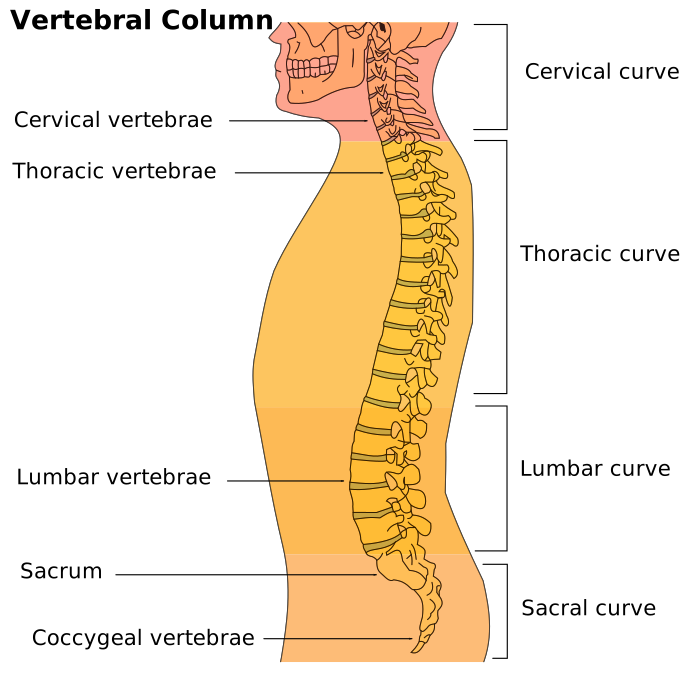
Cervical radiculopathy is compression or irritation of a nerve root as it exits the cervical spine. The nerve can be compressed by a herniated disc (soft disc herniation, most common in younger patients) or by bony spurs narrowing the neural foramen (hard disc / spondylotic change, more common in older patients). The result is pain, numbness, tingling, or weakness radiating from the neck into the arm in a dermatomal pattern.
C6 (numbness in thumb and index finger) and C7 (numbness in middle finger, triceps weakness) are the most commonly affected levels.
Bilateral arm symptoms, gait difficulty, or loss of hand dexterity may indicate cord compression (myelopathy) and require urgent evaluation.
Diagnosis
exam first, imaging secondThe Spurling test — tilting and rotating the head toward the symptomatic side while applying axial compression — reproduces radicular symptoms and is highly specific. Distraction (lifting the head) relieves pain. MRI of the cervical spine is the imaging study of choice. EMG/NCS can localize the level and assess severity when the diagnosis is uncertain or when surgery is planned.
Treatment Path
how care progresses at OSIActivity modification and rest
Avoiding provocative positions (neck extension, loading) during the acute phase.
Physical therapy
Cervical traction, manual therapy, and nerve gliding exercises reduce radicular symptoms and restore function.
NSAIDs / oral steroids
A short course of oral methylprednisolone (Medrol Dosepak) can dramatically reduce acute radicular pain.
Cervical epidural steroid injection
Delivers anti-inflammatory steroid directly adjacent to the compressed nerve root, often providing months of relief.
If Surgery Is Truly Needed
rare for most patientsSurgery helps only a small minority of spine patients — usually those with a specific structural problem plus a nerve issue that isn’t getting better with a structured non-operative trial. When that step is genuinely warranted, OSI coordinates it the same way we coordinate every other part of your care: imaging, records, and the handoff are handled for you, so no part of the process falls on your shoulders.
Emergency. Sudden loss of hand dexterity, worsening balance, arm or leg weakness, or loss of bladder or bowel control can reflect spinal-cord compression — go to the nearest emergency department rather than waiting for a clinic appointment.
Further Reading
authoritative sourcesExternal patient-education references and related OSI pages for additional background: