
Overview
what it is and why it matters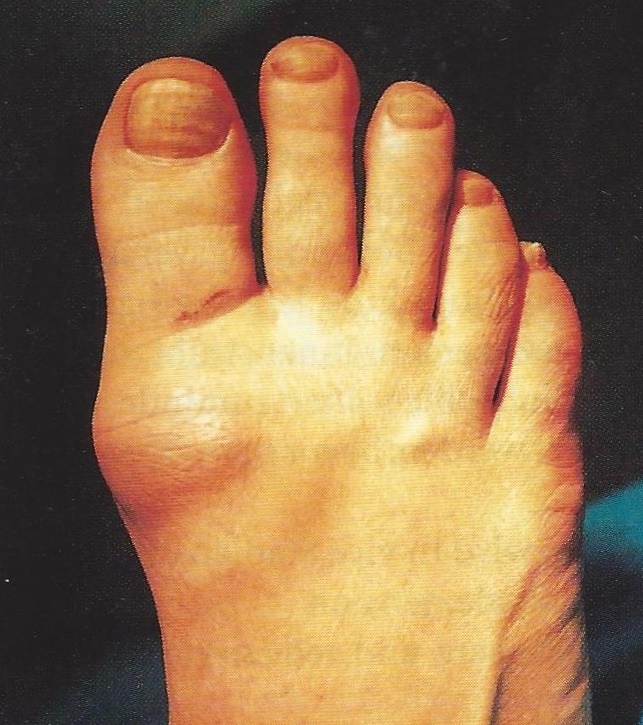
Hallux rigidus is osteoarthritis of the first metatarsophalangeal (MTP) joint — the big toe joint — causing pain, stiffness, and loss of dorsiflexion (the critical motion for push-off in walking and running). Dorsal osteophytes (bone spurs) form at the metatarsal head and the base of the proximal phalanx, impinging with toe extension.
It is the most common arthritic condition of the foot. Most patients cope well with footwear modification; a minority require surgery.
Diagnosis
exam first, imaging secondReduced dorsiflexion (normally >60°), dorsal tenderness and osteophyte, pain at end range. Weight-bearing lateral X-ray shows osteophytes, joint space narrowing, and flattening of the metatarsal head. The Coughlin-Shurnas grading system (0–4) correlates with treatment options.
Treatment Path
how care progresses at OSIStiff-soled rocker-bottom shoe
Reduces dorsiflexion demand on the first MTP joint during push-off — the single most effective conservative intervention.
Carbon-fiber foot plate insole
Semi-rigid insole worn inside any shoe.
Corticosteroid injection
Provides months of relief in lower-grade disease.
NSAIDs
For acute flares.
Surgical Options at OSI
if non-operative care isn't enoughSurgery is offered for grade 2–4 disease failing conservative management with significant activity limitation.
Further Reading
authoritative sourcesExternal patient-education references and related OSI pages for additional background: