
Overview
what it is and why it matters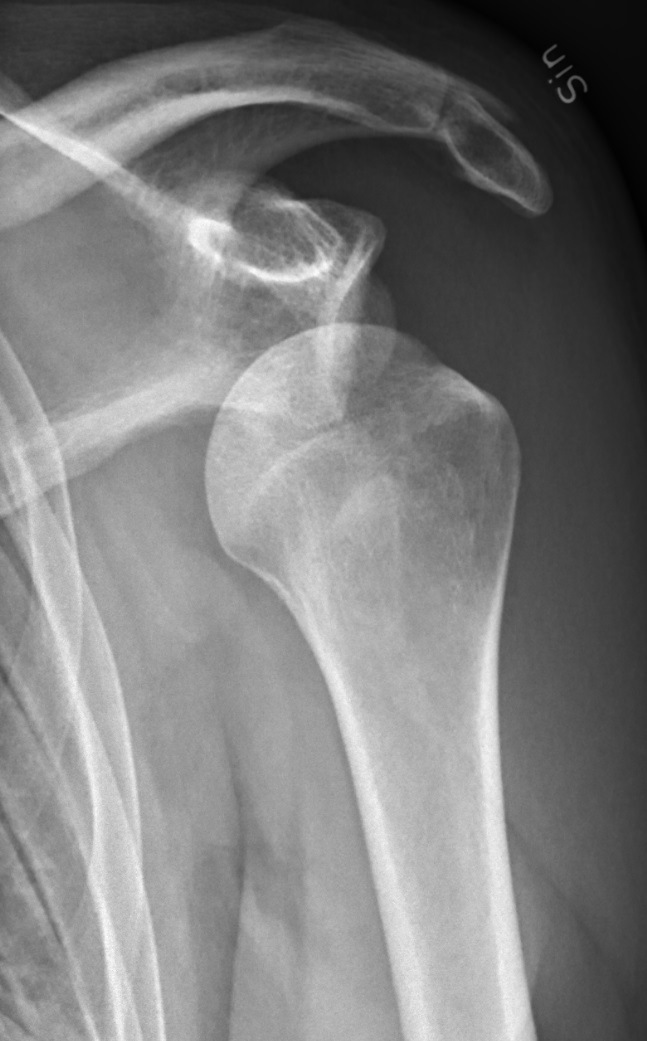
Anterior shoulder instability describes a spectrum from subtle subluxation (partial displacement) to recurrent dislocation of the humeral head out of the front of the glenoid socket. It is the most common direction of shoulder instability. After an initial anterior dislocation, the recurrence rate depends heavily on age at first dislocation — young active males have the highest risk (up to 90% recurrence by some estimates).
Diagnosis
exam first, imaging secondEpisodes of the shoulder "going out" or feeling loose during overhead activities, apprehension with the arm in the throwing position (abduction, external rotation). Apprehension test with the relocation test are the hallmarks. CT arthrography or MRI arthrography quantifies glenoid and humeral head (Hill-Sachs) bone loss — critical for surgical planning.
Treatment Path
how care progresses at OSI1
Physical therapy
Rotator cuff and scapular stabilizer strengthening — appropriate for first-time dislocations in lower-demand patients and for voluntary subluxators.
Surgical Options at OSI
if non-operative care isn't enoughRecurrent instability interfering with daily life or sport, young contact athletes after a first dislocation, and significant bone loss are indications for surgical stabilization.
Providers Who Treat Anterior Shoulder Instability
sports-medicine team

David B. Templin, M.D.

Trent Twitero, M.D.
Further Reading
authoritative sourcesExternal patient-education references and related OSI pages for additional background: