
Overview
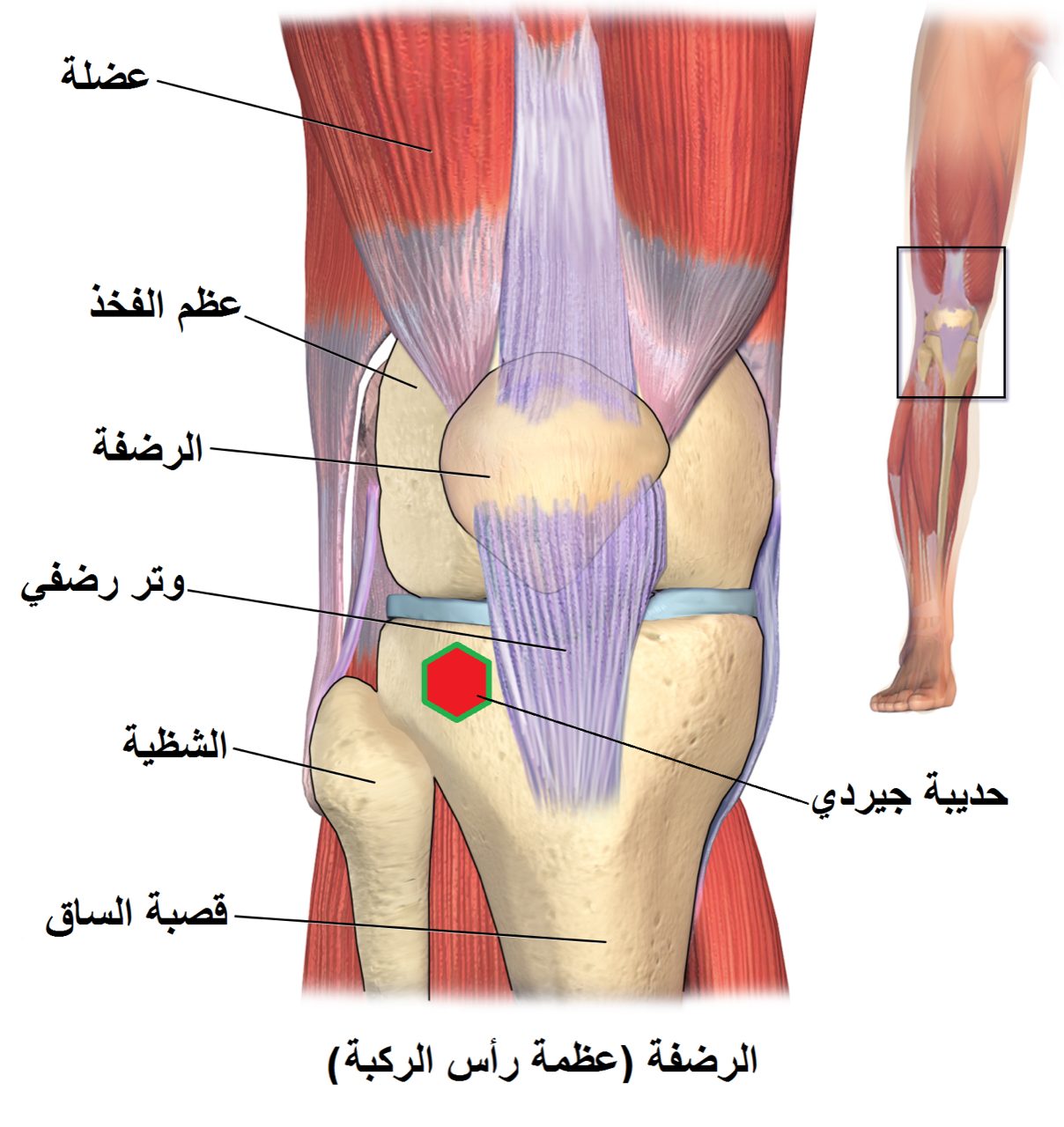
Not every meniscus tear can be repaired. Complex, degenerative, or radial tears in the avascular inner portion of the meniscus have little healing potential, and attempting to stitch them rarely works. In these patterns, trimming the torn fragment back to a smooth, stable rim eliminates the mechanical symptoms without risking a failed repair.
How the Procedure Works
Through arthroscopic portals we identify the tear pattern and probe its full extent before removing anything. The principle is to trim back to a stable, smooth rim — not to remove the whole torn segment if only part of it is unstable. We use basket forceps and a shaver selectively: baskets for precise cuts at the tear margin, shaver to smooth the contour. The endpoint is a meniscal rim that doesn't catch or flip under probing and has no loose edges that would create mechanical symptoms. How much meniscus is preserved depends entirely on the tear pattern; a small radial tear at the inner rim might require trimming only a few millimeters, while a complex degenerative tear may require more. Every millimeter of functioning rim that remains continues to distribute load and protect the cartilage beneath it.
When to Consider Partial Meniscectomy
Partial meniscectomy is generally offered when symptoms, imaging, and a trial of non-operative care together point to surgery as the next step. The typical picture includes:
Mechanical symptoms
Catching, locking, or pain with twisting that persists after a course of conservative care.
Unrepairable tear pattern
Complex, degenerative, or radial tears in the avascular zone where repair would not heal.
Degenerative tears in older patients
Degenerative tears associated with preserved cartilage where trimming the tear resolves the mechanical symptoms.
Conditions This Treats
Physicians Who Perform Partial Meniscectomy


David B. Templin, M.D.

Trent Twitero, M.D.
Providers Who Surgically Assist with Partial Meniscectomy

Sydney Georg, PA-C

Ben Swanner, PA-C
Further Reading
External patient-education references and related OSI pages for additional background: