
Overview
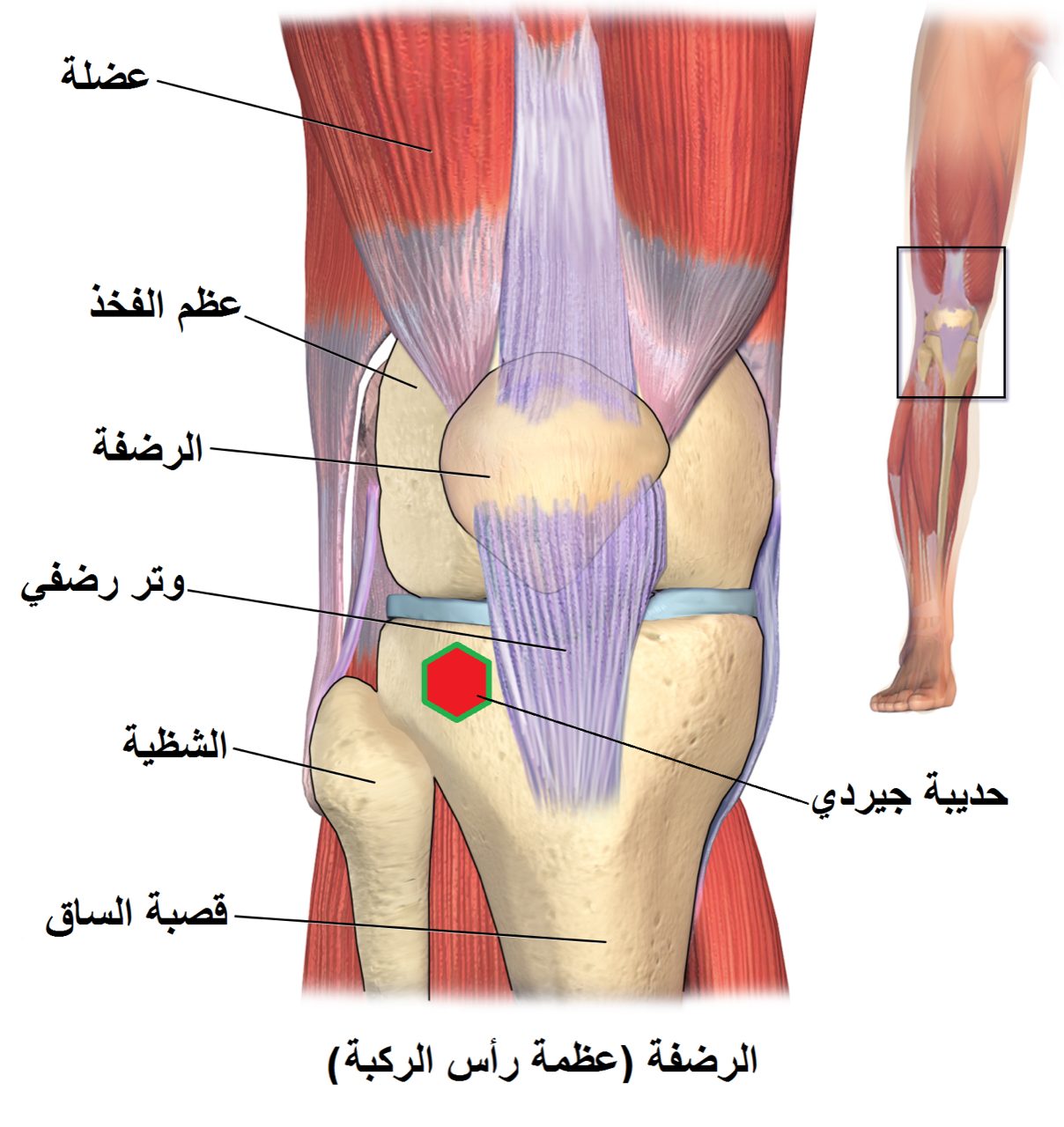
A knee dislocation disrupts two or more major ligaments at once — most often a combined ACL and PCL injury, sometimes with medial or lateral collateral tearing, and occasionally with vascular or nerve injury that must be ruled out urgently. The result is a profoundly unstable knee that will not function without reconstruction of the damaged structures.
How the Procedure Works
The first priority after a knee dislocation is vascular assessment — the popliteal artery is at risk, and a missed injury is limb-threatening. Once vascular status is confirmed and swelling permits, we plan reconstruction. Most cases are managed in a single surgical sitting: we reconstruct the PCL first to establish a posterior reference, then the ACL, then address collateral or posterolateral corner injuries. The order matters because each reconstruction is tensioned against the previous one, and getting it wrong produces a stiff or unstable knee. Graft selection across four or more ligaments requires planning: we typically use a combination of autograft and allograft tissue to avoid harvesting too much from the patient's own tendons. Range of motion is started early postoperatively to prevent the stiffness that is the most common complication of multi-ligament surgery — balancing protection of the grafts against the need for motion is the ongoing challenge through rehabilitation.
When to Consider Multi-Ligament Knee Reconstruction
Multi-ligament knee reconstruction is generally offered when symptoms, imaging, and a trial of non-operative care together point to surgery as the next step. The typical picture includes:
Combined cruciate injury
ACL and PCL torn together, with or without collateral involvement.
Prior knee dislocation
A documented tibiofemoral dislocation, even if it reduced before imaging.
Failure of conservative care
Less severe combinations where bracing and rehab have not produced a stable knee.
Conditions This Treats
Physicians Who Perform Multi-Ligament Knee Reconstruction

David B. Templin, M.D.

Trent Twitero, M.D.
Providers Who Surgically Assist with Multi-Ligament Knee Reconstruction

Sydney Georg, PA-C

Ben Swanner, PA-C
Further Reading
External patient-education references and related OSI pages for additional background: