
Overview
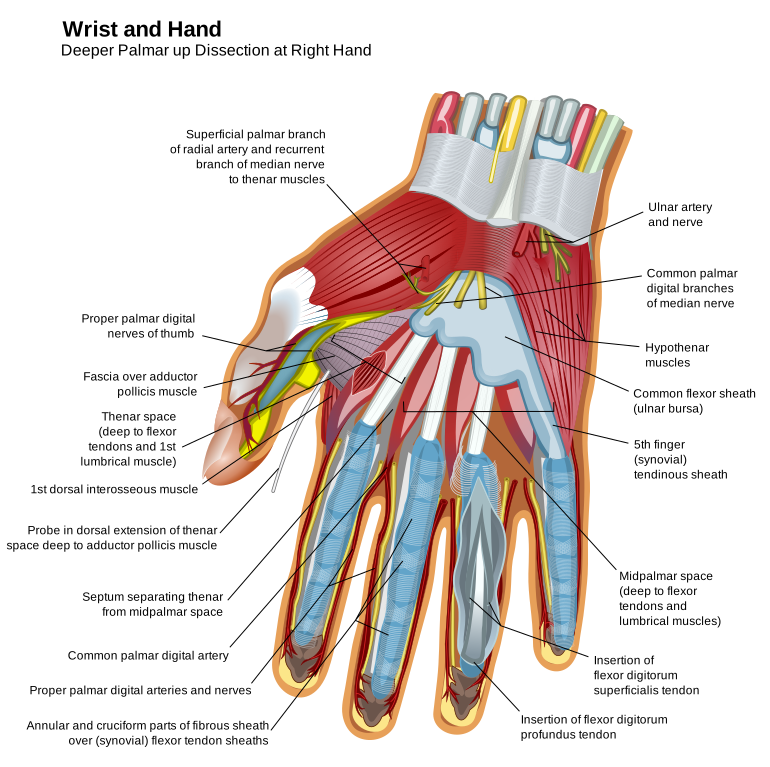
The carpometacarpal (CMC) joint at the base of the thumb is a saddle-shaped joint that allows the thumb's enormous range of motion — at the cost of being one of the most common sites of arthritis in the hand. Worn cartilage produces pain with pinch, grip, and fine-motor tasks, and over time the base of the thumb drops in toward the palm.
How the Procedure Works
We remove the trapezium completely through a small dorsal incision — partial removal reliably leads to recurrent symptoms as the remnant degenerates. Once the space is clear, the key decision is how to stabilize the thumb metacarpal base, which will otherwise migrate proximally and lose the thumb's reach. We use a slip of the flexor carpi radialis or abductor pollicis longus tendon to suspend the metacarpal and fill the dead space, keeping the base positioned so pinch strength is preserved. The suspension is set with the thumb in its functional position — slightly palmar-abducted — and we test active pinch before closing. A small subset of patients develops temporary weakness during healing, but long-term grip and pinch strength consistently return to useful levels, which is the outcome that matters for the activities that drove them to surgery.
When to Consider Thumb CMC Arthroplasty
Thumb CMC arthroplasty is generally offered when symptoms, imaging, and a trial of non-operative care together point to surgery as the next step. The typical picture includes:
Symptomatic basal-thumb arthritis
Pain at the base of the thumb with pinch and grip, with radiographic joint-space narrowing.
Failure of conservative care
Thumb spica splinting, activity modification, therapy, and injections that have not provided lasting relief.
Functional limitation
Difficulty with pinch-dependent tasks — opening jars, buttoning, writing, keys.
Conditions This Treats
Physicians Who Perform Thumb CMC Arthroplasty


David B. Templin, M.D.

Trent Twitero, M.D.
Providers Who Surgically Assist with Thumb CMC Arthroplasty

Sydney Georg, PA-C

Ben Swanner, PA-C
Further Reading
External patient-education references and related OSI pages for additional background: