
Overview
what it is and why it matters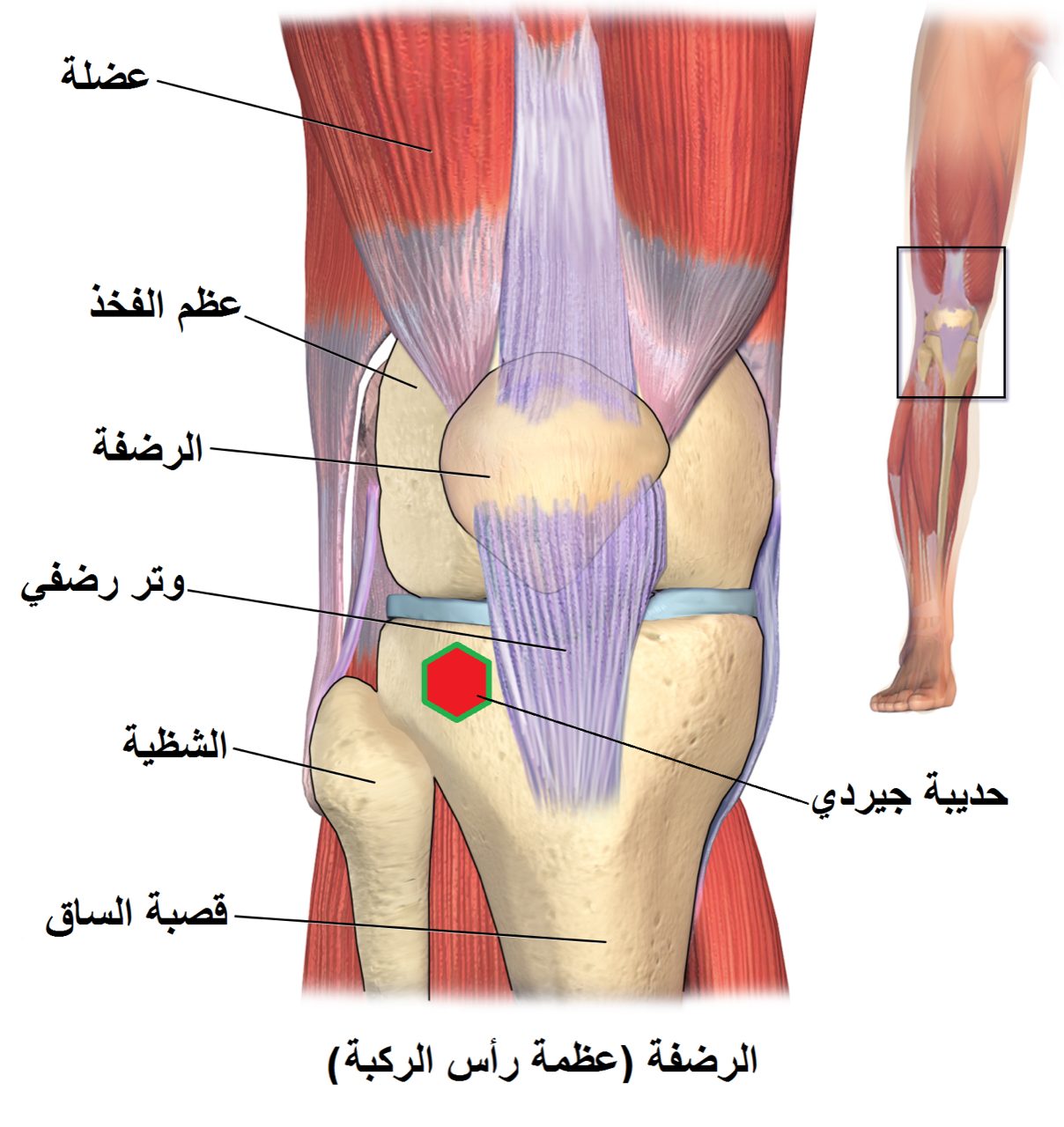
Patella fractures occur from a direct blow (fall onto the knee, car dashboard) or from an indirect mechanism — the sudden eccentric load of the quadriceps during a stumble can pull the patella apart. The extensor mechanism of the knee — quadriceps tendon, patella, patellar tendon, tibial tubercle — must be intact for active knee extension. Patellar fractures that disrupt this mechanism require operative repair.
Diagnosis
exam first, imaging secondAnterior knee pain, inability to do a straight-leg raise (indicating extensor mechanism disruption), and a palpable gap in the kneecap. AP, lateral, and Merchant X-rays of the knee confirm the fracture and its displacement. CT further characterizes comminuted patterns.
Treatment Path
how care progresses at OSI1
Non-operative management
For non-displaced fractures with an intact extensor mechanism: cylinder cast or hinged brace in extension for 4–6 weeks with progressive weight-bearing.
Surgical Options at OSI
if non-operative care isn't enoughDisplaced fractures (> 2–3 mm articular step or gap), comminuted fractures with extensor mechanism disruption, and osteomyelitis and septic…">open fractures require surgery.
Providers Who Treat Patella Fracture
sports-medicine team

David B. Templin, M.D.

Trent Twitero, M.D.
Further Reading
authoritative sourcesExternal patient-education references and related OSI pages for additional background: