Orthopedic & Sports Medicine Institute · Since 2006 · New Braunfels, Texas
Board-certified orthopedic surgeons caring for patients at six clinics from New Braunfels to Yoakum. We treat joint pain, sports injuries, fractures, and arthritis — and our surgeons perform the procedures they recommend. Most insurance accepted, including Medicare and Tricare.
 David B. Templin, M.D.
[your term for specialty / credentials here]
David B. Templin, M.D.
[your term for specialty / credentials here]
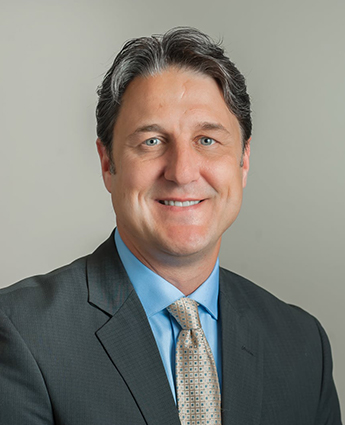 Michael S. Vrana, M.D.
[your term for specialty / credentials here]
Michael S. Vrana, M.D.
[your term for specialty / credentials here]
 Trent Twitero, M.D.
[your term for specialty / credentials here]
Trent Twitero, M.D.
[your term for specialty / credentials here]
 Sydney Georg, PA-C
Physician assistant · works with Dr. Templin
Sydney Georg, PA-C
Physician assistant · works with Dr. Templin
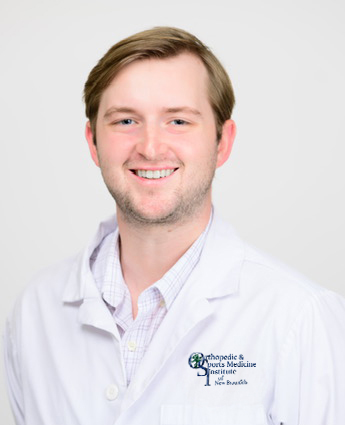 Ben Swanner, PA-C
Physician assistant · works with Dr. Vrana
Ben Swanner, PA-C
Physician assistant · works with Dr. Vrana
The pairings you’ll actually see in the OR — surgeon and PA who have scrubbed the same cases together for years, not just the same clinic. Every one of our PAs has stood across the operative field, not just in the exam room.
Hover a clinic to see a photo and open it on the map. Click for address, hours, and directions.
Map data © OpenStreetMap contributors © CARTO
Main office · physician-owned
960 Gruene Rd., Suite 101 · New Braunfels, TX 78130
Outpatient Specialty Clinic at Lavaca Medical Center
1400 N. Texana St. · Hallettsville, TX 77964
Outpatient Specialty Clinic at Yoakum Community Hospital
1200 Carl Ramert Dr. · Yoakum, TX 77995
General orthopedics, joint replacement, and sports medicine — covering the hip, knee, shoulder, elbow, hand & wrist, spine, foot & ankle, and acute fracture care.
Pick a body region to narrow the list. Each condition opens a full patient-education page — how we make the diagnosis, the non-operative care we try first, and the point at which surgery becomes the right call.
 Hip
Hip Knee
Knee Shoulder
 Elbow
Elbow Hand & Wrist
 Spine
Spine Foot & Ankle
 Trauma
Acute trauma usually reaches us through the hospital. Our surgeons take call at local ERs — your initial care and any emergency surgery happen there. Follow-up, continued fracture management, and rehabilitation are handled at OSI.
Start here · Education first
These are the first pages we wrote — long-form, patient-focused, and free of marketing puffery. No drama, no scare tactics, no surgical upsell. Just what the problem is, what the evidence says, and every non-operative option before surgery is ever considered.
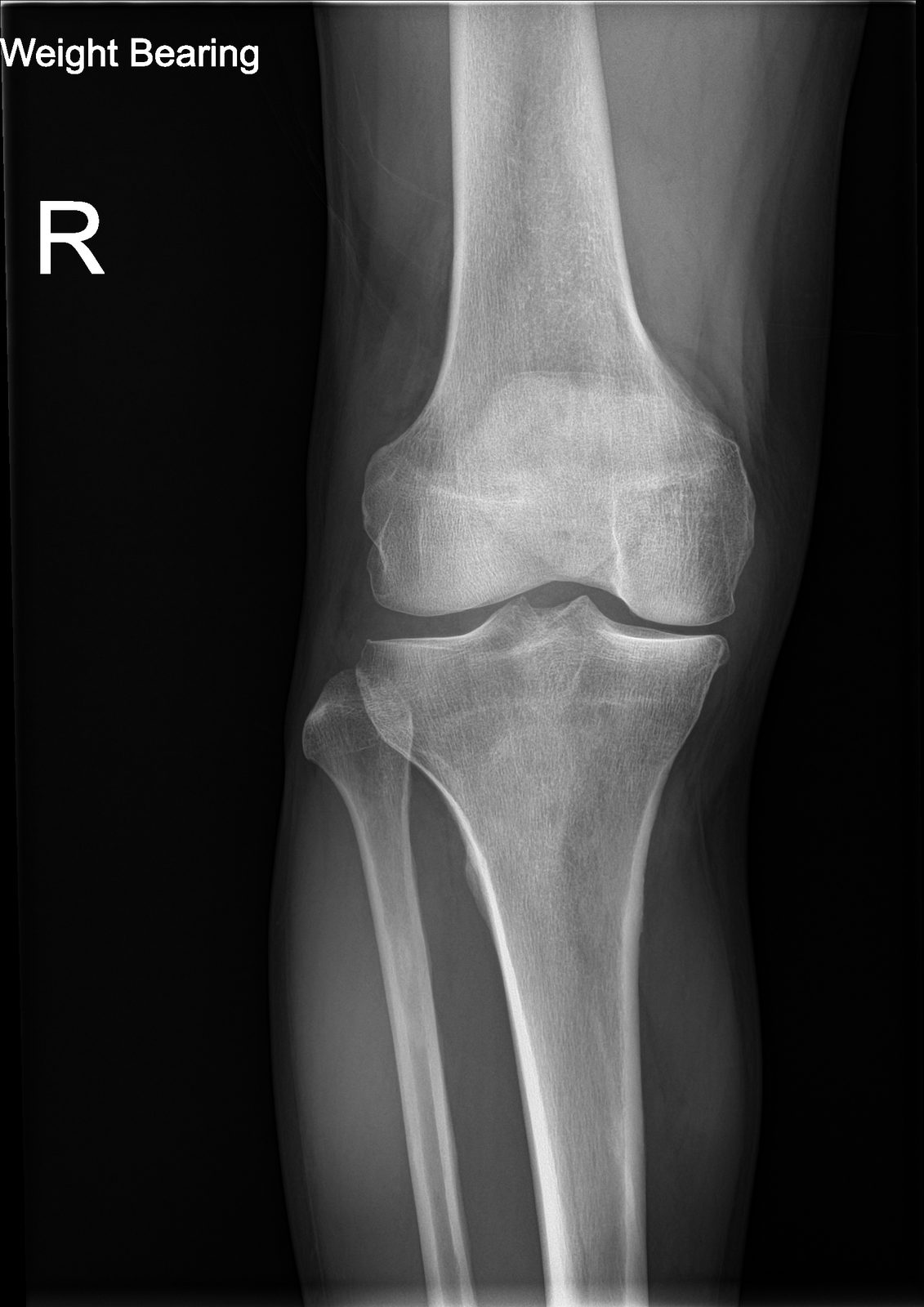
Knee
What “bone on bone” actually means, why the knee hurts the way it does, and what the non-operative and operative options really are.
Read the guide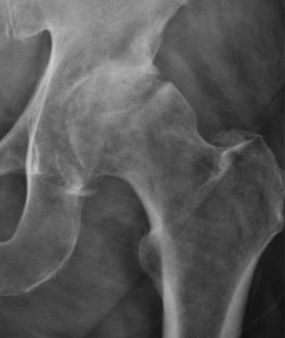
Hip
Groin pain, stiffness after sitting, trouble putting on shoes — the classic hip-arthritis story, and every treatment option from injections to replacement.
Read the guide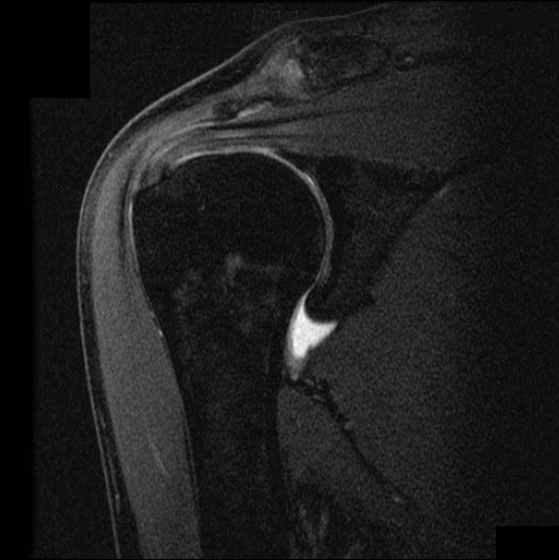
Shoulder
Not every tear needs surgery. Which ones do, which ones don’t, and why shoulder MRIs find tears in people who have zero symptoms.
Read the guide
Knee
Why a twisting injury at 25 is a different beast than a degenerative tear at 55, and why the treatment that’s right depends on which one you have.
Read the guide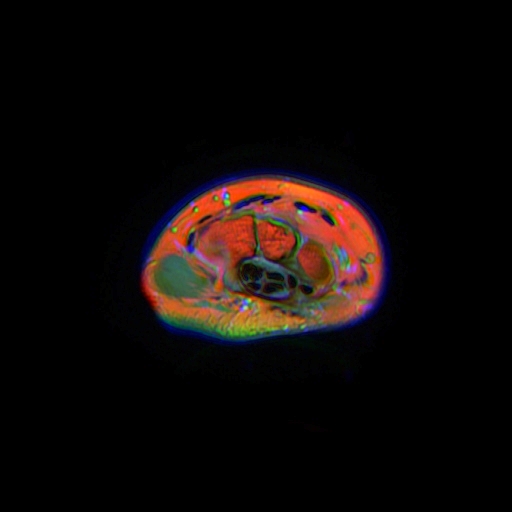
Hand & wrist
Numb fingers that wake you up at night, shaking out the hand to get feeling back — that’s the classic picture. Here’s what to do about it.
Read the guide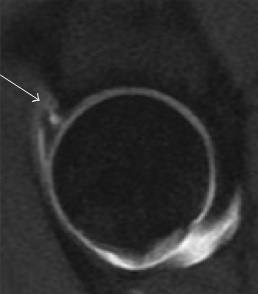
Hip
A ring of cartilage around the hip socket that tears in people with a specific hip shape. Confused with a groin strain more often than you’d think.
Read the guideFull library
The full patient-education library — organized by body region, searchable, and written for people, not insurance codes.
Browse the libraryWe spend a large share of clinic time on activity modification, physical-therapy coordination, bracing, and image- or landmark-guided injections. These are the injection and biologic therapies we offer.
Targeted anti-inflammatory injection for arthritis, bursitis, and tendinopathies — the most common non-operative treatment in orthopedics.
Autologous concentrate from the patient’s own blood. Used for selected tendinopathies and early knee osteoarthritis.
Hyaluronic-acid “gel” injections (Synvisc, Euflexxa, Monovisc, Orthovisc, Supartz) for symptomatic knee osteoarthritis.
Bone-marrow aspirate concentrate (BMAC) and related biologic injections aimed at modulating joint and soft-tissue healing.
Most orthopedic problems never reach an operating room. When one does, the surgeon making that call has trained specifically for it. OSI has fellowship-trained orthopedic surgeons on staff — each with their own area of concentration, so a case that reaches the OR is handled by someone with subspecialty experience in that problem rather than a generalist picking it up. The decision is slow, the work is precise, and technique sits in the surgeon’s hands. A glimpse of the work itself:

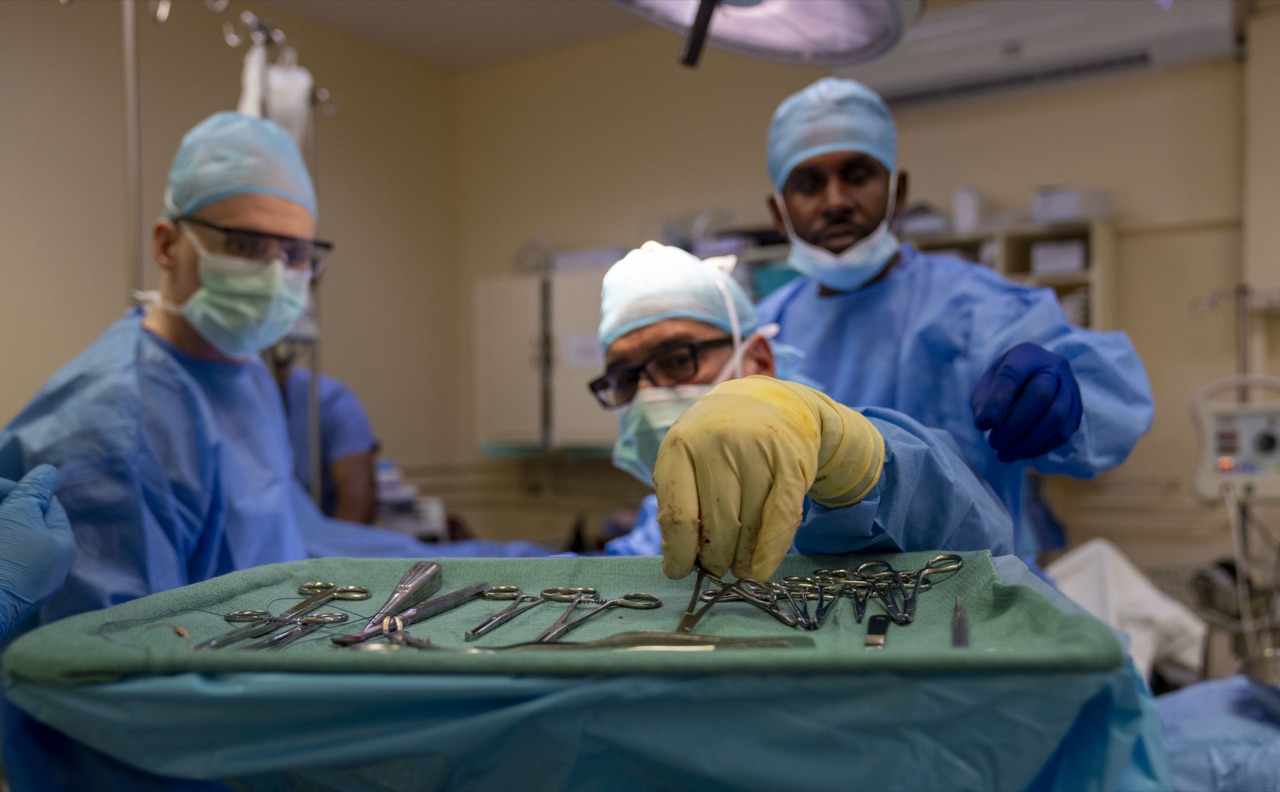
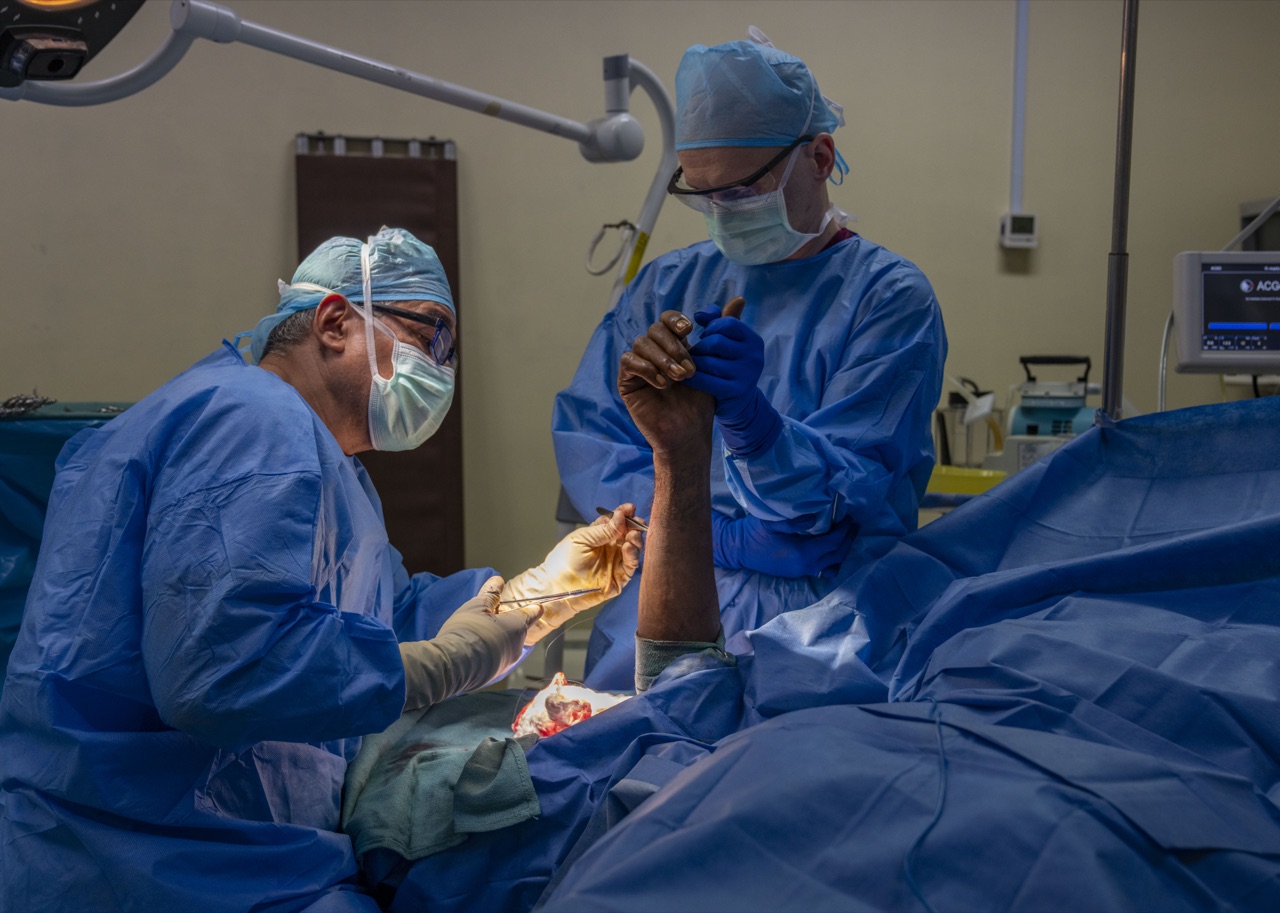
Placeholder imagery: the photos above are open-access orthopedic surgical teams (not OSINB physicians) shown while documentary photography of our own surgeons and PAs in the OR is commissioned. The marked slots are where those real-team photographs will replace the placeholders.
Reference · Only if surgery becomes the right step
Most orthopedic problems never need an operation. If surgery does come up in your visit, these are the procedures our surgeons are trained to perform — written as plain-language education, not advertising. No urgency, no outcome promises, no “book today.”
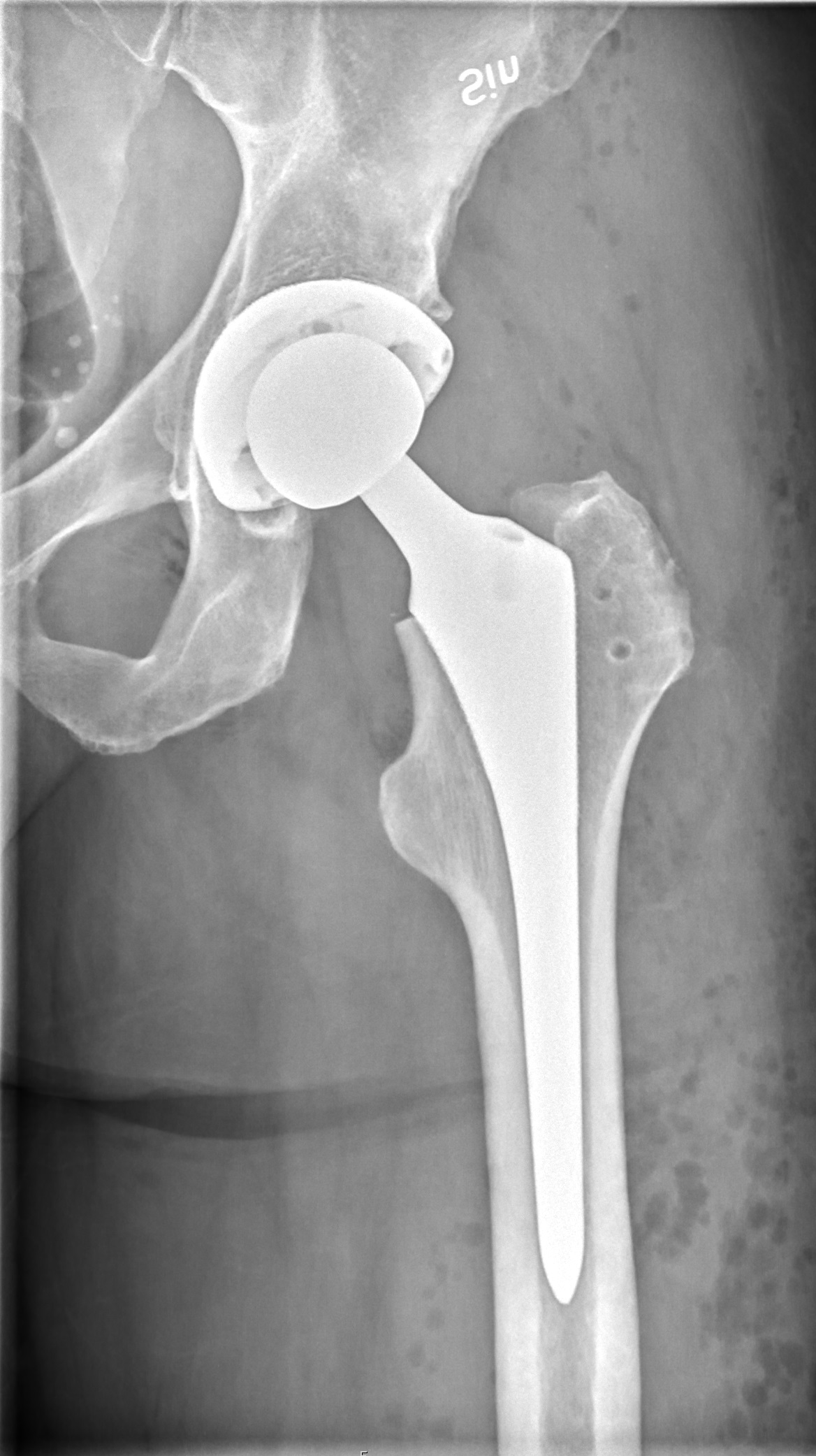
Hip · Considered after non-op fails
Reserved for patients whose hip arthritis no longer responds to activity changes, physical therapy, or injections. The anterior approach is one of several valid surgical techniques.
How it works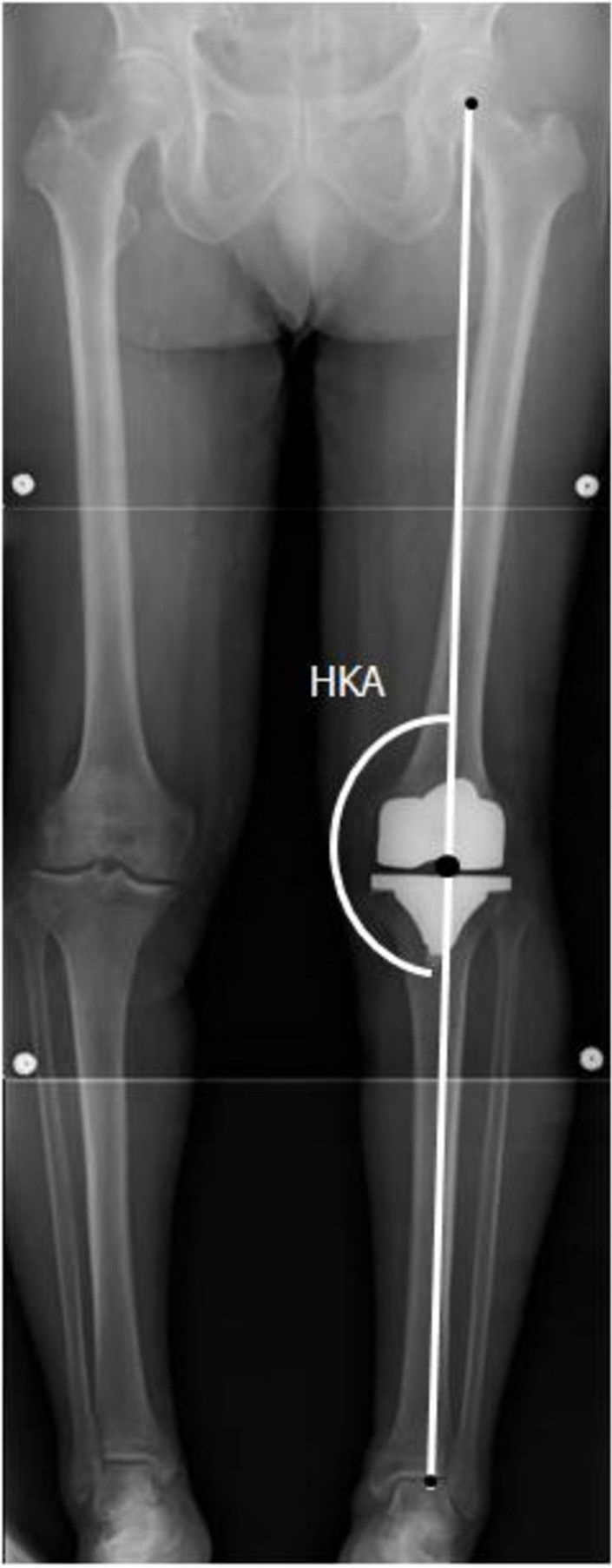
Knee · Considered after non-op fails
A last-resort option for knees that have worn through the cartilage and stopped responding to injections, bracing, and therapy. Recovery is a months-long commitment.
Read the full guide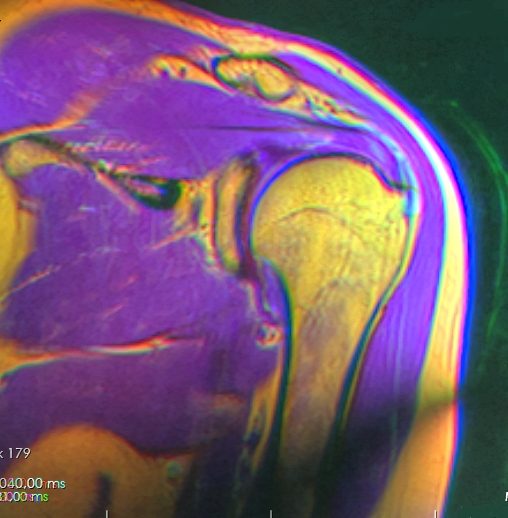
Shoulder · Not every tear needs it
Many rotator cuff tears improve with physical therapy alone. Repair is considered when pain or weakness persists despite non-operative care, or for specific acute tears.
When it’s indicated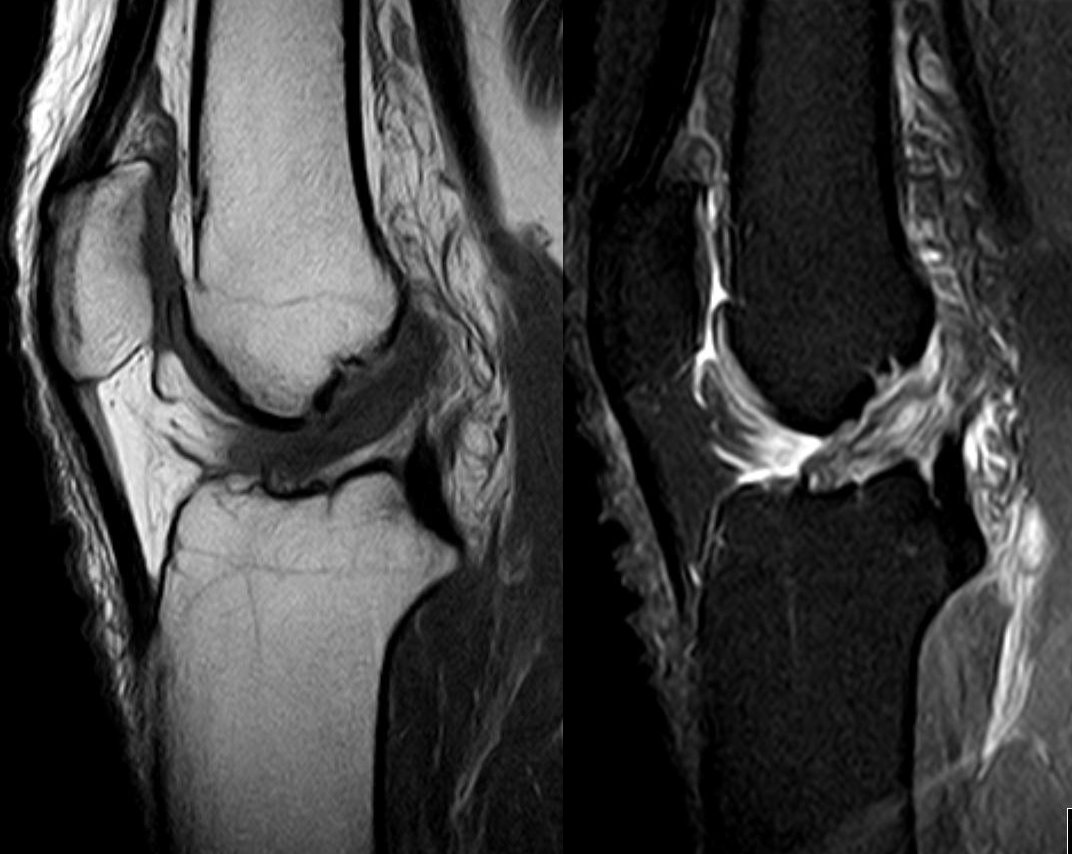
Knee · Activity-level decision
Not every ACL tear requires surgery. Reconstruction is usually considered when the patient needs pivoting, cutting, or high-level activity; others do well with rehab alone.
Graft choices & trade-offs
Hand · After splinting + observation
Considered after splinting, ergonomic changes, and sometimes injection have been tried. Reliable for patients with clear nerve-compression findings on exam and testing.
Recovery timeline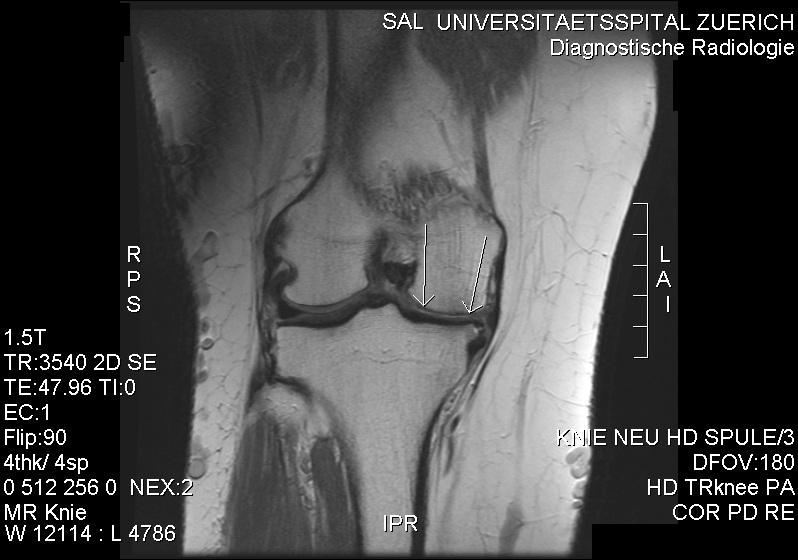
Knee · Narrow indications
Appropriate only for specific focal cartilage defects in younger, active patients. Not a treatment for generalized arthritis and not a substitute for joint replacement when that’s what’s indicated.
Who qualifiesFull list
Fractures, arthroscopy, ligament reconstruction, joint replacement, hand and wrist, sports medicine — the complete index.
Browse proceduresPhoto ID and insurance card(s); a current medication list with doses; any recent X-rays, MRI, or CT on disc or USB; a referral from your primary care physician if your plan requires one.
Medicare, Tricare, Blue Cross Blue Shield, Aetna, Cigna, UnitedHealthcare, Humana. Most commercial plans are accepted; call to confirm in-network status before your visit.
For refills, visit summaries, and messages between appointments, call the front desk for portal access.
Request an appointment or call (830) 625-0009, Mon–Fri 8 AM–5 PM